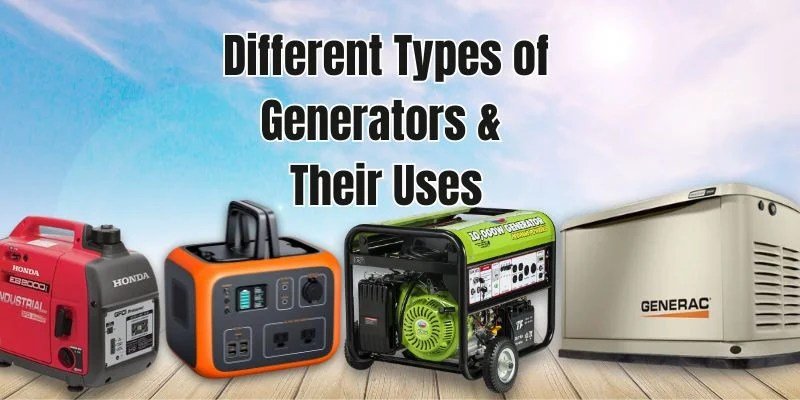
The hum of a generator isn't just noise; it's the sound of reliability, the assurance that your world won't grind to a halt when the main power supply falters. Whether you're battling an unexpected outage, powering a remote construction site, hosting a grand outdoor event, or simply seeking off-grid freedom, understanding the different types of generator rentals and their uses is key to keeping the lights on and operations flowing.
Choosing the right generator isn't about picking the biggest or cheapest; it's about matching power needs, fuel availability, location constraints, and budget to the perfect machine. This guide will cut through the technical jargon, offering clear, actionable insights to help you make an informed decision for your next generator rental.
At a Glance: Your Generator Rental Essentials
- Rental is smart: Avoid high upfront costs and maintenance for temporary or specialized power needs.
- Match power to purpose: From essential home appliances to heavy industrial machinery, wattage matters.
- Fuel matters: Consider accessibility, cost, and environmental impact (gasoline, diesel, natural gas, propane, solar, etc.).
- Portability vs. permanence: Portable units for flexibility, standby units for automatic, seamless backup.
- Safety first: Never operate indoors; always ensure proper ventilation and follow local regulations.
- Eco-options available: Solar, hydrogen, and biodiesel generators offer greener alternatives.
Why Rent a Generator? Understanding Your Power Partners
Generators convert mechanical energy into electricity, becoming indispensable when the main grid falters or isn't available. But buying a generator, especially a large or specialized one, comes with significant upfront costs, ongoing maintenance, and storage challenges. This is where generator rentals shine.
Renting provides unparalleled flexibility. You get access to the exact power solution you need, precisely when you need it, without the long-term commitment. It's an ideal choice for:
- Temporary power needs: Construction sites, outdoor events, film productions, disaster relief.
- Backup solutions: During seasonal outages, planned maintenance, or unexpected emergencies.
- Specialized equipment: When you need a specific type of generator (e.g., quiet inverter for a wedding, heavy-duty industrial for a factory).
- Cost efficiency: Convert a large capital expenditure into a manageable operating expense.
Deciphering the Dynamo: Main Generator Types & Their Ideal Applications
Generators come in a remarkable variety, each engineered for specific tasks. Let's break down the core types you'll encounter in the rental market and where they truly excel.
Standby Generators: The Unseen Guardian
Imagine an outage hits, and your lights don't even flicker. That's the magic of a standby generator. These units are permanently installed outside a home or business, automatically sensing a power outage and kicking into gear within seconds. They typically run on natural gas or propane, connecting directly to your fuel line for continuous operation.
- Power Range: Residential units often range from 7 kW to 150 kW, capable of powering entire homes or critical business operations. Industrial standby systems can be much larger.
- Ideal Uses: Critical infrastructure, hospitals, data centers, homes in areas with frequent or prolonged outages, businesses where downtime is costly.
- Rental Niche: While often purchased for permanent installation, businesses might rent larger standby units for planned maintenance, to supplement existing power, or for temporary sites requiring unwavering power for an extended period.
Portable Generators: The Flexible Workhorse
If versatility is your goal, portable generators are your go-to. These movable units are manually operated, typically running on gasoline, and offer power flexibility for a myriad of temporary needs.
- Power Range: From compact 1,000-watt units perfect for a few lights to robust 10,000-watt models handling multiple tools or essential home appliances.
- Ideal Uses: Construction sites, outdoor events, camping trips, RVs and food trucks, essential home backup during short outages, powering tools at remote worksites.
- Rental Niche: Their flexibility and relatively lower cost make them a popular rental choice for anyone needing power on the go. For a deeper dive into making the right selection, consider a comprehensive portable generator rental guide.
Inverter Generators: The Quiet & Clean Power Source
Inverter generators are a sophisticated evolution of the portable generator. They produce clean, stable electricity, making them safe for sensitive electronics like laptops, smartphones, and medical devices. Their advanced technology also makes them significantly quieter and more fuel-efficient.
- Power Range: Available in sizes from small camping units to larger models capable of powering an entire RV or even a small home.
- Ideal Uses: Camping, tailgating, RVs, powering sensitive electronics, outdoor events where noise is a concern (e.g., weddings, film sets), remote work setups.
- Rental Niche: Perfect for situations requiring quiet operation and protection for delicate equipment, offering a premium portable power experience.
Industrial Generators: The Heavy Lifters
When you need serious power, industrial generators step up. These aren't your average backyard backup units; they are larger, more durable, and built to withstand harsh environments and continuous heavy loads. Often transported by crane or forklift, they are engineered for reliability in demanding conditions.
- Power Range: Capable of producing up to 2 megawatts of power or more, designed for sustained high-output operation.
- Ideal Uses: Factories, large-scale construction projects, mining operations, hospitals, data centers, municipal emergency services, temporary power for entire towns or large events.
- Rental Niche: Due to their immense power, high cost, and specialized maintenance, industrial generators are predominantly rented. This provides businesses with robust industrial power solutions without the massive capital investment.
Specialty & Niche Generators: Tailored Power Solutions
Beyond the major categories, specialized generators cater to unique environments and needs:
- RV Generators: Compact, quiet, and designed to integrate seamlessly into recreational vehicles, powering everything from air conditioning to kitchen appliances on the road.
- Marine Generators: Built to withstand harsh sea conditions, providing reliable power for boats, yachts, and offshore platforms, crucial for navigation and onboard equipment.
- PTO (Power Take-Off) Generators: Connect directly to tractors, utilizing the tractor's engine to generate electricity. This is a highly efficient solution for farms or remote agricultural areas to power machinery and tools.
- Turbine Generators: Used in massive industrial or commercial power generation plants, relying on gas, steam, or wind to rotate turbines and produce vast amounts of electricity.
Fueling Your Choice: A Look at Generator Power Sources
The type of fuel a generator uses profoundly impacts its cost, runtime, environmental footprint, and logistical considerations.
Traditional Fuel Sources
- Gasoline Generators:
- Pros: Common, affordable to rent initially, readily available at most gas stations.
- Cons: Shorter runtimes, higher long-term fuel costs, gasoline can be harder to store safely, and pumps may be inoperable during widespread outages.
- Ideal Uses: Smaller jobs, powering tools, basic home backup for short durations.
- Natural Gas Generators:
- Pros: Connect to existing gas pipelines for a continuous fuel source (no refueling), lower emissions than gasoline/diesel.
- Cons: Requires professional installation to connect to the gas line, not portable, higher upfront installation for permanent units.
- Ideal Uses: Homes and businesses with existing gas supply needing seamless, long-term backup. Excellent for permanent standby setups.
- Diesel Generators:
- Pros: Extremely durable, fuel-efficient, excellent for long runtimes, generally more cost-effective long-term than gasoline. Can use winter diesel in cold climates.
- Cons: Higher initial rental cost than gasoline, diesel pumps may be inoperable during outages, emissions are a concern.
- Ideal Uses: Industrial settings, factories, hospitals, large construction sites requiring heavy-duty, consistent power.
- Propane Generators:
- Pros: Highly reliable, propane is readily available (even during outages), easy to store in tanks, performs well in cold weather, burns cleaner than gasoline/diesel.
- Cons: Burns about three times faster than diesel, making it a more costly option to run over long periods; propane is highly flammable and requires careful handling.
- Ideal Uses: Excellent choice for standby generators, RVs, and any application where fuel storage and cold-weather reliability are priorities.
Eco-Conscious Power: Generators with a Smaller Footprint
For those prioritizing environmental impact and sustainable operations, several generator types offer greener alternatives:
- Solar Generators:
- Pros: Emission-free, silent operation, use a renewable energy source, safe for indoor use.
- Cons: Dependent on sunlight (unreliable at night or without sun), typically store less power for high-demand appliances, higher upfront costs for permanent setups.
- Ideal Uses: Off-grid living, eco-conscious homeowners, camping, small-scale backup.
- Hydrogen Generators:
- Pros: Very eco-friendly (producing only water and heat), sturdy, offers more energy per pound than other fuels.
- Cons: Difficult to find for rental, initially expensive; hydrogen production methods can still have environmental impacts.
- Ideal Uses: Industrial and scientific settings focused on clean energy, cutting-edge clean power projects. Advanced fuel cell technology is making these more efficient and affordable.
- Biodiesel Generators:
- Pros: Reduce reliance on nonrenewable fuels, lower emissions than standard diesel, similar performance to diesel.
- Cons: Fuel accessibility can be an issue during outages, may require specific engine modifications for pure biodiesel.
- Ideal Uses: Environmentally conscious users seeking sustainable energy solutions, especially in agriculture or industrial sectors already using diesel.
- Emulsified Diesel Generators:
- Pros: Run on a mixture of diesel and water to significantly reduce harmful emissions like nitrogen oxide (NOx) and particulate matter. More environmentally friendly than standard diesel.
- Cons: May be less efficient or powerful than standard diesel, fuel accessibility issues during outages.
- Ideal Uses: Projects or businesses with strict emission regulations seeking a cleaner diesel option.
- Biogas Generators:
- Pros: Utilize organic waste materials (plant matter, food waste, animal waste) to produce electricity, helping reduce waste.
- Cons: Requires a consistent source of organic waste, complex setup.
- Ideal Uses: Farming communities, waste management facilities, eco-friendly industrial projects.
- Wind-powered Generators:
- Pros: Generate electricity from wind energy, ideal for off-grid locations or windy areas, renewable.
- Cons: Dependent on wind conditions, often paired with other renewable sources for reliability.
- Ideal Uses: Remote homes, telecommunication towers, off-grid systems.
- Hydroelectric Generators:
- Pros: Convert flowing water energy into electricity, highly efficient and continuous as long as water flow is consistent.
- Cons: Requires access to flowing water, environmental impact concerns for large-scale projects.
- Ideal Uses: Homes near rivers/streams, small-scale community power, large power plants.
For those keen on minimizing their environmental footprint, it's worth taking time to explore eco-friendly power options.
Navigating Your Rental Needs: Key Considerations Before You Sign
Before you commit to a generator rental, a few critical factors should guide your decision-making process.
1. Power Needs: Calculate Your Wattage
This is arguably the most crucial step. You need to determine the total wattage required to power your essential appliances, tools, or entire facility.
- List everything: Make a list of all devices, lights, and machinery you plan to run simultaneously.
- Starting vs. Running Watts: Note both the running watts (what it takes to keep it going) and starting watts (the brief surge required to kick it on) for each item. Starting watts can be 2-3 times higher than running watts for motor-driven appliances.
- Add a Buffer: Always add a 20% buffer to your total calculated wattage to account for fluctuations and future needs.
- Wattage Calculators: Use online wattage calculators provided by generator manufacturers or rental companies to help sum these figures accurately.
2. Fuel Availability & Logistics
Consider what types of fuel are easily accessible in your location, especially during a widespread outage. Do you have a natural gas line? Is diesel readily available? How easy is it to store propane tanks safely? For extended outages, dual or tri-fuel hybrid generators offer valuable flexibility.
3. Frequency of Use
Will you be using the generator occasionally for a few hours, or will it be constant backup for days or weeks? This impacts the type of generator, fuel efficiency requirements, and maintenance schedules. For critical emergency situations, having critical emergency backup power is paramount.
4. Budget: Beyond the Rental Fee
Your budget isn't just the rental cost. Factor in:
- Fuel costs: Different fuels have different price points and consumption rates.
- Delivery/setup costs: Larger generators often require professional delivery and installation.
- Maintenance: While rentals typically include maintenance, understand your responsibilities.
- Accessories: Extension cords, transfer switches, fuel cans.
5. Local Regulations & Permits
Generator use is often governed by local ordinances. Check for:
- Noise limits: Especially in residential areas or for events. Inverter generators often excel here.
- Placement guidelines: Often requiring specific clearance from buildings and openings (e.g., 5 feet clearance).
- Operating hour constraints: Some areas restrict late-night or early-morning operation.
- Permit/inspection requirements: For larger installations or prolonged use.
- Carbon monoxide safety measures: Often mandated for all generator use.
6. Environmental Concerns
If minimizing emissions is a priority, consider propane, natural gas, solar, or hybrid options. Your choice can impact your project's environmental footprint.
Powering Your Purpose: Common Rental Scenarios & Best Picks
Let's look at how different generator types align with specific rental needs.
Home Backup During Outages
- For critical essentials (fridge, lights, charger): A smaller portable gasoline generator (2,000-5,000 watts) or an inverter generator.
- For sensitive electronics: An inverter generator for its clean power.
- For whole-home power (temporary): A larger portable generator (7,000-10,000 watts) or a rented standby unit for long-term situations.
Construction Sites
- For small tools, lighting: Portable gasoline or diesel generators (3,000-7,000 watts).
- For heavy machinery, multiple crews: Robust industrial diesel generators (100 kW to 500 kW+). PTO generators are also excellent for farms with tractors.
Outdoor Events & Festivals
- For quiet, clean power (weddings, concerts): Multiple inverter generators (especially synchronized units) or mid-sized natural gas/propane generators.
- For large stages, vendors, entire festival grounds: Industrial diesel or natural gas generators are often the best expert event power rental solutions.
Remote Work & Off-Grid Living (RVs, Camping)
- For charging devices, basic power: Small inverter generators (1,000-3,000 watts) or solar generators.
- For RV amenities (AC, microwave): Dedicated RV generators or mid-sized inverter generators.
Industrial Operations
- For supplemental power, planned outages: Large industrial diesel, natural gas, or turbine generators.
- For emergency backup for an entire facility: Industrial standby generators, often rented temporarily to cover gaps.
Beyond the Basics: Emerging Technologies & The Future of Power
The world of generators isn't standing still. Innovation is constantly improving efficiency, reducing environmental impact, and enhancing user experience.
- Advanced Fuel Cell Technology: Making hydrogen generators more efficient and affordable, paving the way for truly zero-emission power.
- Smart Generators: Integrating AI and IoT for optimized performance, predictive maintenance, remote monitoring, and seamless smart home integration. Imagine your generator telling you it needs an oil change via an app!
- Improved Energy Storage: Enhancements in battery technology are boosting the capabilities of solar and other renewable energy generators, allowing them to store more power for longer.
- Micro-CHP Systems (Combined Heat and Power): These generate electricity while simultaneously capturing waste heat for heating homes or water, dramatically increasing overall energy efficiency.
- Biodegradable Generators: Research is underway to develop generators using biodegradable materials to further reduce their environmental impact at the end of their lifecycle.
- Thermoelectric Generators: Convert waste heat directly into electricity, offering potential for capturing energy from industrial processes.
These advancements mean that future generator rentals will likely be even more efficient, smarter, and environmentally friendly.
Keeping the Lights On (Safely): Essential Maintenance & Safety Protocols
Generator rentals typically come with well-maintained equipment, but understanding basic maintenance and, more importantly, strict safety protocols is crucial for your well-being and the unit's reliability. Always refer to the specific generator's manual.
Key Maintenance Areas
- Fluid Checks: For fuel-based generators, regularly check oil levels and coolant (if applicable).
- Filters: Inspect and replace air and fuel filters as needed.
- Spark Plugs: For gasoline units, check and clean spark plugs.
- Battery: Ensure battery connections are clean and tight (for electric start units), and check fluid levels if it's a lead-acid battery.
- Run Regularly: If you have the rental for an extended period and it's not in continuous use, run it periodically under a load for about 20-30 minutes to keep components lubricated and fuel fresh.
- Cleanliness: Keep cooling vents clear of debris. For solar panels, keep them clean for optimal efficiency.
Critical Safety Tips: Non-Negotiable Rules
These aren't suggestions; they are life-saving rules:
- NEVER Operate Indoors: Generators produce deadly carbon monoxide (CO) gas. Operating them indoors, in garages, basements, or enclosed spaces can be fatal. This is the single most important safety rule.
- Ensure Proper Ventilation: Operate generators on a dry, level surface outdoors, under a canopy-like structure if needed to shield from rain, but never in an enclosed space. Maintain at least 5 feet of clearance on all sides for adequate airflow.
- Use CO Detectors: Install battery-operated carbon monoxide detectors in your living or working spaces.
- Avoid "Backfeeding": Never plug a generator directly into a wall outlet. This "backfeeds" electricity into the utility lines, endangering utility workers and potentially electrocuting neighbors. Use a transfer switch installed by a qualified electrician for home backup.
- Use Proper Extension Cords: Only use heavy-duty, outdoor-rated extension cords that are appropriate for the wattage drawn. Inspect cords for damage before use.
- Cool Before Refueling: Allow the generator to cool completely before refueling to prevent gasoline or diesel vapors from igniting on hot engine parts.
- Store Fuel Safely: Store fuels in approved, properly labeled containers, away from living areas, heat sources, and out of reach of children.
- Grounding: Ensure the generator is properly grounded as per manufacturer instructions.
- Comply with Regulations: Be aware of and comply with all local regulations regarding generator use.
Smart Power, Smart Investment: How Generators Impact Property Value
For homeowners, especially in areas prone to frequent power outages, investing in a standby generator can significantly boost property value. It transforms a potential liability (outages) into an asset (reliable, uninterrupted power). Professional installation and aesthetic integration are key, ensuring compliance with local regulations and enhancing the home's overall appeal and functionality. While not directly a rental benefit, it underscores the perceived value of consistent power.
Your Next Step Towards Reliable Power
Understanding the types of generator rentals and their uses empowers you to make smart decisions when the need for power arises. From quiet inverter models for sensitive electronics to roaring industrial giants powering entire sites, the right generator is out there. By considering your specific wattage requirements, fuel preferences, budget, and local regulations, you can confidently select a rental that keeps your home, business, or event running smoothly.
Don't wait for the next outage or project to be in full swing. Take the initiative now to plan your power strategy. To get started, you can easily find generator rentals nearby and explore the options that best fit your unique needs.