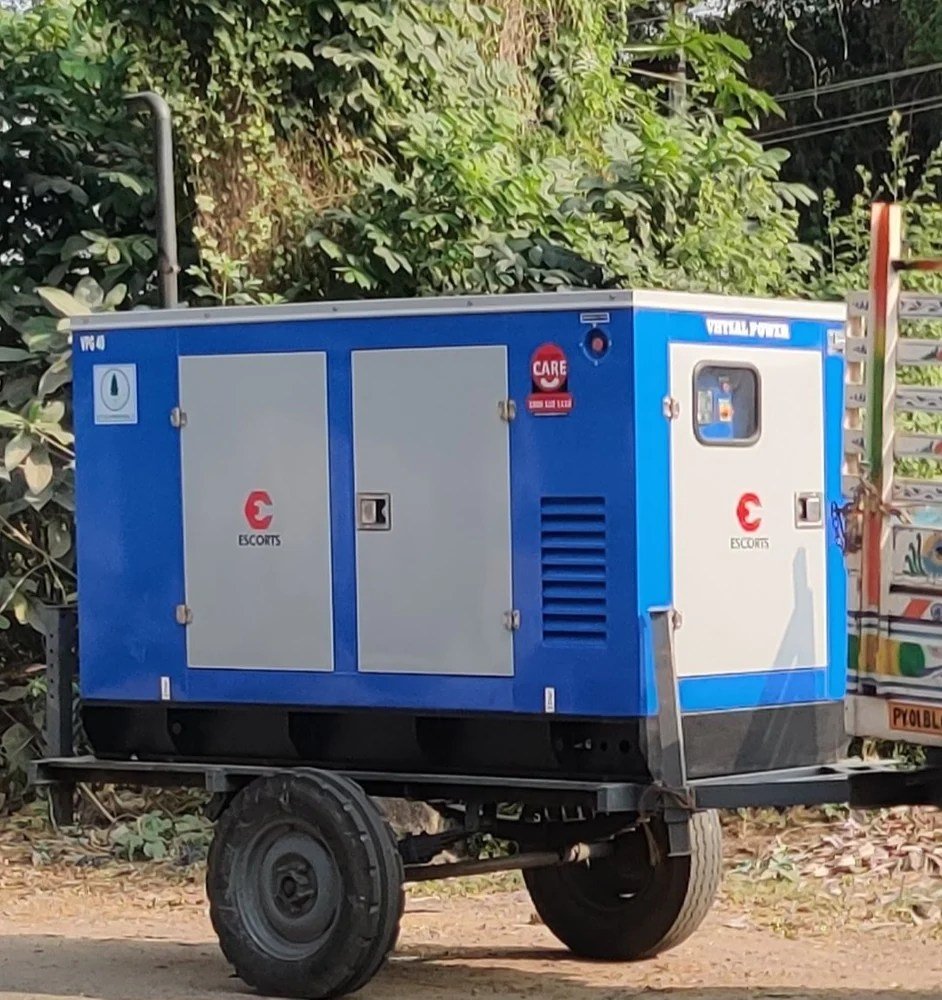
When a critical event looms, a construction project demands uninterrupted progress, or your business needs a reliable backup, securing the right power source is paramount. That's where The Generator Rental Process: From Quote to Return becomes not just a transaction, but a strategic lifeline. Navigating this journey can seem daunting, but armed with the right knowledge, you can ensure a seamless experience, keeping your operations humming without a hitch.
This guide is for anyone who needs temporary power – from event planners and industrial facility managers to construction site supervisors and homeowners facing an emergency. We'll demystify each step, helping you choose wisely, manage effectively, and return with confidence.
At a Glance: Your Generator Rental Journey
- Define Your Needs: Accurately assess power requirements (KVA/KW), duration, and site specifics before anything else.
- Get Expert Advice: Reputable rental companies offer free consultations to guide your selection.
- Insist on Transparency: Demand a detailed quote with no hidden fees, covering all aspects from delivery to refueling.
- Prioritize Safety & Setup: Trained technicians should handle installation, ensuring optimal performance and adherence to safety protocols.
- Expect Ongoing Support: Your rental partner should provide maintenance and troubleshooting throughout the rental period.
- Plan for Pickup: Understand the return process, aiming for flexibility and a hassle-free wrap-up.
- Mind the Details: Consider fuel, noise, logistics, and insurance to avoid common pitfalls.
Why Renting a Generator is Your Smart Power Play
Before diving into the specifics of the rental process, let's quickly touch on why renting is often the best choice. Buying a generator involves a significant capital investment, ongoing maintenance costs, storage challenges, and the rapid depreciation of equipment. For temporary or project-specific needs, renting offers unparalleled flexibility, cost-effectiveness, and access to state-of-the-art equipment without the long-term commitment.
Whether it’s powering an outdoor concert, keeping a data center online during an outage, or providing electricity for remote job sites, generator rentals offer a scalable, reliable, and convenient solution. Companies like Sinewave Generators and Sunbelt Rentals specialize in providing the right equipment and support for a diverse range of power demands, ensuring smooth operations in industrial and commercial facilities, as well as on various job sites.
Laying the Groundwork: Understanding Your Power Needs
The most critical step in the entire generator rental process often happens before you even pick up the phone: accurately defining your power requirements. Overestimating leads to unnecessary costs, while underestimating can result in costly downtime or equipment damage.
Think of it like this: you wouldn't buy a car without knowing how many people you need to carry or what kind of terrain you'll be driving on. The same logic applies to generators. Here’s what you need to consider:
How Much Power Do You Really Need? (KVA vs. KW)
Generators are typically rated in Kilovolt-Amperes (KVA) or Kilowatts (KW).
- KVA represents apparent power, the total power an electrical system uses.
- KW represents real power, the amount of power actually converted into useful work.
Most equipment specifies its power draw in KW or Amps. A general rule of thumb is that 1 KVA is approximately 0.8 KW (depending on the power factor). It’s always safer to list all equipment you plan to power, along with their starting (surge) and running wattages. Don't forget lighting, HVAC, tools, and office equipment. A good rental partner, like those at Sunbelt Rentals, will offer expert assistance to help you select the appropriate generator size and type tailored to your specific application requirements. They can walk you through the calculations and ensure you're not left in the dark.
Beyond the KVA: Other Crucial Considerations
- Single-Phase vs. Three-Phase Power: Homes and small businesses typically use single-phase power, while larger commercial and industrial operations often require three-phase power for heavy machinery. Confirm which your equipment needs.
- Fuel Type: Diesel is common for larger, industrial-grade generators due to its efficiency and safety. Gasoline generators are typically smaller. Hybrid or alternative fuel options are also becoming more available.
- Duration of Rental: Will you need power for a few hours, a weekend, a month, or longer? This impacts cost, maintenance schedules, and fuel logistics.
- Location and Setup: Where will the generator be placed? Is there sufficient space, proper ventilation, and easy access for delivery and refueling? What are the ground conditions?
- Noise Levels: Is the location in a residential area, near offices, or sensitive to noise? "Silent" or soundproof generators are available for such environments.
- Portability: Do you need a stationary unit, or a mobile, vehicle-mounted generator for flexibility across multiple sites?
- Additional Services: Will you need refueling services, power distribution boxes, cables, or professional setup and monitoring?
By thoroughly assessing these factors, you'll be well-prepared for the initial consultation and ensure the generator you ultimately rent perfectly matches your project's demands.
The Generator Rental Process: A Six-Step Journey to Power
Let's break down the typical generator rental process, drawing inspiration from efficient, customer-focused models like Sinewave Generators' six-step approach. This framework ensures transparency, convenience, and peace of mind from your first inquiry to the final pickup.
Step 1: The Initial Consultation – Laying the Groundwork
This crucial first step often comes as a free, no-obligation consultation. Think of it as your power planning session. During this discussion, you'll delve into your specific power requirements with an expert team. This isn't just about KVA; it’s about understanding the nuances of your project.
The team will ask about:
- The type and duration of power needed: Is it for an emergency, a scheduled outage, construction, or an event? How long will you need it?
- Location and setup considerations: Will it be indoors or outdoors? What are the site access challenges? Are there specific safety regulations or noise restrictions?
- Desired additional services: Do you need help with fuel management, or continuous on-site monitoring?
This initial conversation is invaluable. It’s where the rental company ensures they fully grasp the unique requirements of your situation, preventing costly mistakes down the line.
Step 2: Getting the Right Fit – Customized Generator Recommendations
Armed with the information from your consultation, the rental experts will craft tailored recommendations. This isn't a one-size-fits-all approach; it’s about finding the generator that best fits your specific power needs, site location, and budget.
Companies like Sinewave Generators boast a wide selection of mobile and soundproof diesel generators, with power capacities ranging from 15 KVA to a massive 2250 KVA. This vast range ensures solutions for virtually any application:
- Compact, vehicle-mounted generators: Perfect for high mobility, often used for smaller, dynamic job sites or quick emergency responses.
- Silent generators: Essential for urban environments, residential areas, or events where noise pollution is a major concern.
- High-power units: Designed for extensive commercial projects, industrial applications, or large-scale event production that demand significant, reliable energy.
Whether you need a unit for a short-term emergency or a long-term construction project, the recommendation will match your timeline and technical specifications.
Step 3: Unpacking the Quote – Transparency is Key
Once you've agreed on the specific generator and services, a detailed quote should be provided. This is where transparency becomes paramount. A reputable provider will ensure all costs are clearly outlined, with no hidden fees or surprises.
Your quote should explicitly cover:
- The generator rental cost: For the specified duration (daily, weekly, monthly rates).
- Delivery fees: Transportation to and from your site.
- Installation and setup fees: If professional on-site setup is required.
- Options for fuel and refueling services: Costs associated with initial fuel, and ongoing refueling if elected.
- Any additional accessories: Cables, distribution panels, external fuel tanks, etc.
- Insurance or damage waiver options: Highly recommended to protect against unforeseen issues.
Take the time to review every line item and ask questions about anything unclear. A clear, comprehensive quote is the foundation of a trustworthy rental experience.
Step 4: From Warehouse to Worksites – Delivery and Setup
With the terms confirmed and any advance payments received, your generator is scheduled for delivery. This step emphasizes efficiency, especially in emergency situations where time is critical.
Trained technicians will manage the on-site setup, ensuring the generator is:
- Optimally positioned: For performance, safety, and ease of access for refueling or maintenance.
- Professionally installed: Connecting to your electrical system safely and correctly.
- Tested for functionality: Quick tests are performed to verify the generator is operating correctly before technicians depart.
- Guidance on operation and safety protocols: You and your team will receive instructions on how to safely operate the generator and what precautions to take.
This hands-on approach ensures that your power source is not just delivered, but fully integrated and ready to perform its job safely and effectively from the moment it arrives.
Step 5: Powering On – Ongoing Support and Maintenance
A generator rental doesn't end once the unit is set up. Throughout the entire rental period, ongoing customer support and maintenance are vital. Issues can arise, and having a reliable point of contact is essential.
What to expect:
- Dedicated customer support: Available to assist with any operational issues, answer questions, or coordinate services as needed. This could be 24/7 for critical applications.
- Proactive maintenance: A dedicated maintenance team performs periodic checks to ensure the generator operates at peak performance. This might include fuel level checks, fluid top-offs, and general inspections, particularly for long-term rentals.
This continuous commitment ensures minimal downtime and maximum reliability for your power supply.
Step 6: Winding Down – Pickup and Wrap-Up
At the conclusion of your rental period, the company handles the pickup and removal of the generator. This process should be designed to be as quick and hassle-free as possible, accommodating your schedule with flexible pickup timing.
The wrap-up includes:
- Safe removal: Technicians will professionally disconnect and remove the generator from your site.
- Final satisfaction check: Many companies will conduct a final check to confirm your satisfaction with the service provided, gathering feedback to continuously improve.
This final step ensures a clean, efficient end to the rental agreement, leaving you with a positive overall experience.
Beyond the Six Steps: Critical Considerations for a Smooth Rental
While the six-step process provides a clear roadmap, several other practical considerations can significantly impact your rental experience. Addressing these upfront will help you avoid common headaches and ensure continuous power.
Fuel Management: The Lifeblood of Your Generator
Unless you've rented a battery-powered unit, your generator relies on fuel. Diesel is the most common for rental generators due to its safety and efficiency.
- Initial Fuel: Clarify whether the generator comes full of fuel, and whether that cost is separate.
- Refueling Services: For long-term or high-demand rentals, consider opting for the rental company's refueling service. This saves you the logistical nightmare of managing bulk fuel deliveries and ensures uninterrupted operation.
- On-site Storage: If you plan to manage refueling yourself, understand the regulations for on-site fuel storage and handling.
- Fuel Consumption: Ask for estimated fuel consumption rates to budget accurately.
Sound Levels: Keeping the Peace
Generators can be noisy. If your site is near residences, offices, or requires quiet operation (e.g., film sets, hospitals, outdoor events), specify this during consultation. "Silent" or "soundproof" generators are engineered with advanced baffling and enclosures to significantly reduce decibel levels, making them ideal for sensitive environments. Always inquire about the specific dBA rating at 7 meters (23 feet) to compare.
Logistics & Site Access: The Delivery Challenge
Delivery and pickup are more than just dropping off and collecting equipment.
- Access Routes: Can a large delivery truck easily reach your desired generator placement? Are there height restrictions, tight corners, or soft ground?
- Ground Conditions: Is the surface level and stable enough to support a heavy generator? Will you need ground protection mats?
- Permits: Depending on your location and the generator's size, you might need permits for placement or extended operation. Check with local authorities well in advance.
Insurance & Liability: Protecting Your Investment
Accidents happen. Clarify the rental company's insurance policies and your own liability for damage or theft.
- Damage Waiver: Many companies offer optional damage waivers, which can limit your financial responsibility for accidental damage to the equipment.
- Site Insurance: Ensure your existing property or project insurance covers rented equipment on your site.
- Operational Liability: Understand who is responsible if the generator causes damage or injury due to improper use or malfunction.
Environmental Impact: Greener Power Options
Environmental regulations are becoming stricter. Inquire about the generator's emission standards. Many modern diesel generators comply with Tier 4 Final EPA emissions standards, which significantly reduce harmful pollutants. For certain projects, consider exploring more eco-friendly options, such as natural gas, propane, or even battery-hybrid systems, if available.
Essential Accessories: Don't Forget the Details
A generator is only as good as its connections. Discuss necessary accessories with your rental provider:
- Cables: Proper gauge, length, and connectors.
- Power Distribution Boxes: To safely split power to multiple outlets.
- External Fuel Tanks: For extended run times without frequent refueling.
- Load Banks: For testing the generator's capacity under simulated load.
- Temporary Fencing: For security and safety around the generator.
Common Pitfalls to Avoid in Generator Rental
Even with a clear process, a few common mistakes can derail your generator rental experience. Awareness is your best defense.
- Underestimating Power Needs: This is the most frequent and costly mistake. An undersized generator will struggle, potentially leading to shutdowns, equipment damage, or inefficient operation. Always factor in surge loads for motor startup. When in doubt, round up and consult an expert.
- Ignoring Noise Requirements: Placing a loud generator next to residential buildings or an event stage can lead to complaints, fines, or even project cessation. Always consider sound-attenuated or silent generators for noise-sensitive areas.
- Skipping the Site Assessment: Failing to plan for delivery access, ground conditions, and placement can cause significant delays and extra costs. A professional site assessment, ideally performed by the rental company, can prevent these issues.
- Not Reading the Contract Thoroughly: Understand all terms and conditions, including rental duration, fees, late return policies, responsibility for damage, and emergency procedures.
- Neglecting Maintenance Checks: For long-term rentals where you're responsible for daily checks, ensure someone is assigned to monitor fuel levels, fluid leaks, and general operation. Even with ongoing support, a proactive approach saves trouble.
- Waiting Until the Last Minute: High-demand periods (e.g., hurricane season, major events) can deplete generator stock. Book as far in advance as possible to ensure availability and better pricing.
Choosing Your Rental Partner: More Than Just Equipment
The generator itself is only part of the equation; the company you rent from is equally, if not more, important. A great rental partner offers not just equipment, but expertise, support, and reliability.
When evaluating potential providers:
- Reputation and Experience: Look for companies with a proven track record, positive customer reviews, and extensive experience in generator rentals.
- Fleet Size and Diversity: A large and varied fleet, like Sinewave Generators' range from 15 KVA to 2250 KVA, indicates they can meet diverse needs. This also means more likely availability.
- Expert Consultation: Do they offer free, detailed consultations to help you size and select the right unit? Sunbelt Rentals, for example, prides itself on providing expert assistance.
- Comprehensive Service: Do they offer delivery, installation, 24/7 support, and refueling services? These full-service offerings reduce your operational burden.
- Emergency Response Capabilities: For critical applications, inquire about their emergency response times and spare parts availability.
- Geographic Coverage: While the internet makes finding services easy, sometimes a local presence is key for quick support. To Find local generator rentals often means faster delivery and more responsive on-site assistance.
- Transparency: Does their quoting process provide clear, upfront costs without hidden fees? This demonstrates integrity.
By choosing a reputable and supportive rental partner, you're not just renting a generator; you're securing a reliable power solution backed by expertise.
Frequently Asked Questions About Generator Rental
Navigating new processes always brings questions. Here are some common inquiries and their concise answers to help you on your way.
How far in advance should I book a generator?
It depends on the demand and size. For large projects or during peak seasons (like hurricane season or major holiday events), booking several weeks to months in advance is highly recommended. For smaller, standard units, a few days' notice might suffice, but earlier is always better to ensure availability and potentially better rates.
What if the generator breaks down during my rental period?
A reliable rental company will offer ongoing support and maintenance. This typically includes a customer support line (often 24/7 for critical rentals) and a dedicated maintenance team for emergency repairs or replacements. Clarify their response time and procedure for breakdowns during your initial consultation.
Do I need to be present for delivery and pickup?
Ideally, yes. Being present allows you to confirm the correct generator is delivered, oversee the setup (if self-installing), receive operational instructions, and address any immediate concerns. For pickup, it allows for a final site inspection and confirmation of the unit's condition. If you can't be there, ensure a trusted representative is designated.
What's the difference between KVA and KW again?
KVA (Kilovolt-Amperes) is the apparent power, the total power the generator can supply. KW (Kilowatts) is the real power, the actual usable power for your equipment. Most resistive loads (like heaters, lights) are simple KW. Inductive loads (like motors) have a "power factor" that makes their KW lower than their KVA, meaning they require more KVA to produce a certain KW. Generators are rated in KVA, and typically, you multiply KVA by 0.8 to get an approximate KW capacity. Always clarify your equipment's specific KW and KVA requirements with the rental company.
What's usually included in the generator rental cost?
Generally, the quote includes the generator unit for the specified duration. Delivery, installation, setup, fuel, and refueling services are often additional line items, though some packages may bundle certain services. Always review your detailed quote to understand exactly what's included and what's extra.
Can I run the generator continuously?
Most industrial-grade diesel generators are designed for continuous operation (24/7), provided they are properly maintained and refueled. However, it's essential to allow for periodic breaks for checks and servicing, especially for long-term rentals. Discuss your continuous run needs with the rental company to ensure the selected unit and maintenance plan are appropriate.
Your Next Steps: Powering Your Project with Confidence
Navigating The Generator Rental Process: From Quote to Return doesn't have to be a complex ordeal. By understanding your needs, following a structured process, asking the right questions, and partnering with a reputable provider, you can secure the reliable power you need with confidence and efficiency.
Start today by:
- Auditing Your Power Requirements: Create a comprehensive list of all equipment, their starting and running wattages, and your desired operational duration.
- Contacting a Reputable Rental Provider: Initiate that crucial initial consultation to leverage their expertise and receive tailored recommendations.
- Reviewing Your Quote Meticulously: Ensure complete transparency and understanding of all costs and services.
With these steps, you’ll not only find the perfect power solution but also experience a hassle-free rental journey, ensuring your project or event never loses power.