In a world increasingly reliant on uninterrupted power, the sudden silence of an outage can plunge your home or project into disarray. From essential medical devices to keeping the refrigerator humming, reliable electricity isn't just a convenience—it's a necessity. That's where a generator steps in, transforming potential chaos into calm. This comprehensive Guide to Generator Sizing and Selection will empower you to choose the perfect power partner, ensuring you’re prepared for whatever comes your way.
At a Glance: Key Takeaways for Your Power Journey
- Know Your Needs: List every device you need to power simultaneously, then find their running and starting watts.
- Portable for Flex, Whole-Home for Fortress: Portable and inverter generators offer versatility for small needs or recreation; whole-home models provide seamless, automatic power for your entire property.
- Wattage is King: Match your generator's total running and starting watt capacity to your calculated needs to avoid overloads.
- Safety First: Always operate generators outdoors, at least 20 feet from your home, and never plug them directly into a wall outlet.
- Consider More Than Watts: Factor in fuel type, noise level, and essential features like an automatic transfer switch.
Why a Generator? The Power of Preparedness
Imagine this: a severe storm rolls through, knocking out power for hours, or even days. Your lights go out, the refrigerator starts to warm, and your phone battery dwindles. For many, this isn't just an inconvenience; it's a critical disruption. Generators offer a dependable power supply, acting as your household's or worksite's personal resilience plan. They're essential for maintaining daily tasks, powering critical systems, and even fueling recreational activities like camping or tailgating when utility power simply isn't an option.
Power outages, often caused by severe weather like ice storms, hurricanes, or heavy snowfall, can also stem from grid failures or unexpected utility issues. These disruptions can last anywhere from a few hours to several weeks, making a generator an investment most homeowners ultimately find essential for maintaining their quality of life and protecting their property.
Decoding Generator Types: Which One Powers Your World?
Not all generators are created equal. Understanding the distinct types is the first step in making an informed decision. Each serves a different purpose, with varying levels of power output, portability, and features.
Portable Generators: Your Flexible Power Companion
Think of portable generators as the versatile workhorses of the power world. They’re designed to be moved, offering power wherever you need it, from a remote jobsite to a weekend camping trip, or as a crucial backup during a home outage.
These units typically run on gasoline or propane and come equipped with multiple outlets to plug in various devices. They're excellent for powering essentials like lights, TVs, small appliances, and power tools. While they require manual setup and refueling, their flexibility and relatively lower cost make them a popular choice for many.
Inverter Generators: Quiet, Clean, and Compact Power
For those who prioritize quiet operation and clean power for sensitive electronics, inverter generators are a game-changer. These generators use an advanced electronic alternator that produces AC power, converts it to DC, and then inverts it back to clean AC power. This multi-step process results in stable, high-quality power that's safe for laptops, smartphones, and other delicate devices.
Inverter generators are also significantly lighter and quieter than conventional portable generators, making them ideal for tailgating, RV camping, or any scenario where noise is a concern. Their fuel efficiency is often superior as well, as they can adjust their engine speed to match the power demand, saving fuel when less power is needed. However, their output is typically more limited compared to larger conventional portable units.
Whole-Home (Standby) Generators: The Ultimate Power Fortress
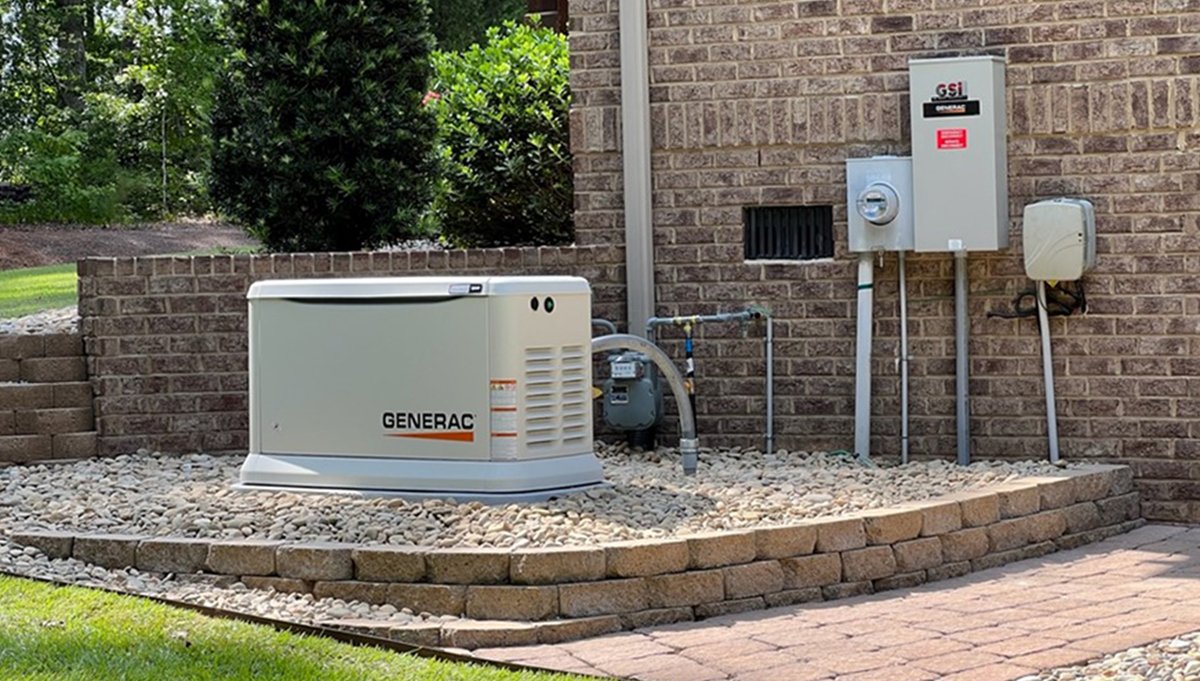
When you need uninterrupted, hands-off power for your entire home, a whole-home generator is the answer. These are permanent installations, much like an air conditioning unit, typically placed outside your home. Unlike portable units, they run on natural gas or liquid propane from your existing supply, eliminating the need for constant refueling.
The magic of a whole-home generator lies in its automation. Fully automatic models detect a power outage the moment it occurs and switch on immediately, often within seconds. Once utility power is restored, they automatically shut off. This seamless transition means you might not even realize there was an outage until you look outside. Whole-home generators are the most powerful type, designed to power everything from large appliances and central air conditioning to your water heater and entire home lighting system. They represent a significant investment and require professional installation and periodic maintenance, but they offer unparalleled peace of mind and convenience.
The Art of Sizing: Pinpointing Your Portable Power Needs
Choosing a generator isn't about guessing; it's about precise calculation. The most crucial step is determining the right wattage to power everything you need concurrently. Overload a generator, and you risk damaging it or, worse, your appliances. Underpower it, and you simply won’t get the energy you expect.
Here’s a simple, step-by-step method to size your portable generator effectively:
- List Your Essentials: Grab a pen and paper or open a spreadsheet. Make a comprehensive list of every single device, appliance, or tool you intend to power simultaneously during an outage or activity. Don't forget lights, phone chargers, and even medical equipment.
- Tally Up Running Watts: For each item on your list, find its running watts (also known as continuous watts). This information is usually on the device's label, data plate, or in its owner's manual. It represents the power needed to keep the device operating steadily. Add all these running wattages together. This sum is your baseline continuous power requirement.
- Example: Refrigerator (800W) + Microwave (1200W) + TV (200W) + Lights (300W) = 2500 Running Watts.
- Factor in Starting Watts: Many devices, especially those with motors like refrigerators, air conditioners, and power tools, require an extra surge of power to start up. This is called starting watts or surge watts, and it's typically much higher than their running watts. You’ll also find this on the device label or manual.
- Go through your list and note the starting watts for each motor-driven appliance.
- Identify the Highest Starting Watt Device: From your list, pinpoint the single device that has the highest starting wattage. This is because a generator can typically only handle one major surge at a time.
- Example: Your refrigerator might have a running watt of 800W but a starting watt of 2200W. Your well pump might have a running watt of 1000W but a starting watt of 3000W. In this case, the well pump has the highest starting wattage.
- The Grand Total: Your Minimum Wattage: Now, take your total running watts (from step 2) and add the highest single starting watts (from step 4) to that sum. This final number is the minimum starting watts your generator needs to be capable of producing.
- Using the examples: Total Running Watts (2500W) + Highest Starting Watts (Well Pump at 3000W) = 5500 Starting Watts required.
- A generator rated for 5500 starting watts (or peak watts) and at least 2500 running watts would be suitable. It’s always wise to add a 10-20% buffer to this number for safety and future needs.
Practical Examples: What Wattage for Common Scenarios?
To give you a better feel for common needs, here’s a general overview of wattage requirements:
- 500 to 3,000 Watts: Perfect for recreation (camping, tailgating), running a few power tools, or keeping essential lights and small appliances like a coffee maker or fan operational.
- 3,100 to 6,000 Watts: This range covers more substantial backup needs. You can power larger recreational vehicles, run a small air conditioner or heater, and keep mid-size appliances like a refrigerator and microwave running during an outage.
- 6,100 to 10,000 Watts: Ideal for robust emergency power. At this level, you can typically run large appliances (e.g., refrigerator, freezer, well pump), central heating and cooling systems (depending on size), and even a water heater.
- 10,100 Watts and Above: You're entering whole-home power territory here. Generators in this category are usually necessary for comprehensive emergency backup, powering most or all of a large home's appliances and systems simultaneously.
Remember, these are general guidelines. Always perform your own wattage calculations based on your specific devices to ensure accuracy.
When Only Everything Will Do: Understanding Whole-Home Generators
For many, the thought of meticulously calculating watts and manually starting a generator during an emergency is unappealing. This is where whole-home (or standby) generators shine. They are the ultimate solution for seamless, comprehensive power protection, allowing you to maintain your normal routine even when the neighborhood goes dark.
As we discussed, these generators are powerful machines designed to run for extended periods on natural gas or liquid propane, meaning you won't be lugging around gasoline cans in the dark. Their fully automatic nature is their biggest appeal: they detect an outage, turn on, power your home, and then turn off when utility power returns, all without you lifting a finger. This makes them especially valuable for those with critical medical equipment, remote workers, or families who simply want to avoid any disruption to their daily lives.
While the initial cost and professional installation are higher than for portable units, the investment often pays for itself in convenience, security, and the preservation of perishable goods and property value. They require regular professional maintenance, similar to an AC unit, to ensure they're always ready to perform when needed. If you're looking for a permanent, worry-free power solution, a whole-home generator is a superior choice.
Beyond Watts: Other Critical Selection Factors
While wattage is fundamental, it's not the only factor in choosing your ideal generator. Several other considerations can significantly impact your satisfaction and the generator's suitability for your needs.
Fuel Type: Powering Your Choice
Generators primarily run on a few common fuel types, each with its own pros and cons:
- Gasoline: Most common for portable generators due to its availability and energy density. However, gasoline has a relatively short shelf life (3-6 months, unless stabilized) and can be less efficient than other options.
- Liquid Propane (LP): Offers a longer shelf life than gasoline and burns cleaner. LP tanks are portable, and larger tanks can be delivered, making it a popular choice for whole-home standby generators. It can be less energy-dense than gasoline, meaning you might need more of it.
- Natural Gas: The most convenient option for whole-home standby generators, as it connects directly to your home's gas line, providing an unlimited fuel supply. It burns very cleanly, but it's only available if your home is connected to a natural gas utility.
- Dual Fuel: Some portable generators offer the flexibility to run on both gasoline and liquid propane, allowing you to switch based on availability or preference.
Consider fuel availability in your area, storage requirements, and how long you anticipate needing the generator to run.
Noise Levels: Hear the Difference
Generators can be noisy, and the sound level is measured in decibels (dB). For comparison, a normal conversation is around 60 dB, and a lawnmower is typically 90-100 dB.
- Conventional Portable Generators: Often range from 65-80 dB, which can be quite loud, especially if you're trying to relax or have neighbors nearby.
- Inverter Generators: A major advantage of inverter models is their quiet operation, often falling in the 50-65 dB range, making them ideal for camping, tailgating, or residential areas where noise is a concern.
- Whole-Home Generators: While powerful, modern standby generators are designed to be relatively quiet, typically between 60-70 dB, which is comparable to an air conditioning unit.
If noise is a significant concern for your application, always check the generator's dB rating before purchasing.
Essential Features: Smart Additions for Ease and Safety
Look for features that enhance usability and safety:
- Electric Start: Much easier than a pull cord, especially in an emergency.
- Multiple Outlets: Ensure the generator has enough outlets and the right types (e.g., 120V, 240V, USB) for your devices.
- Automatic Transfer Switch (ATS): Absolutely critical for whole-home generators and highly recommended for portable generators used for home backup. An ATS safely disconnects your home from the utility grid before connecting it to the generator, preventing dangerous backfeed into the power lines and automatically switching power sources. Never plug a generator directly into a standard wall outlet without an ATS, as this can create a deadly hazard for utility workers and damage your home's electrical system. You should always hire a licensed electrician to install a transfer switch.
- Low-Oil Shutoff: Protects the engine from damage if oil levels drop too low.
- Fuel Gauge: Essential for monitoring fuel levels and planning refueling.
- Wheels and Handles: For easier portability on larger portable models.
- GFCI Outlets: Provides ground-fault circuit interrupter protection, crucial when operating in damp conditions.
Safety First, Always: Operating Your Generator with Care
A generator is a powerful tool, and like any powerful tool, it demands respect and adherence to strict safety protocols. Misusing a generator can have deadly consequences, primarily due to carbon monoxide poisoning and electrocution.
Here are non-negotiable safety requirements:
- Never Indoors, Ever: This is the golden rule. Generators produce carbon monoxide (CO), an invisible, odorless, and deadly gas. Do not set up or use a generator indoors, including garages, basements, sheds, enclosed patios, or any partially enclosed space. Even with open doors or windows, CO can quickly accumulate to lethal levels.
- Maintain a Safe Distance: Keep running generators at least 20 feet away from your home and any open windows, doors, or vents to prevent carbon monoxide from entering your living spaces. Position the exhaust away from any buildings.
- Install CO Detectors: Equip your home with battery-operated or battery-backup carbon monoxide detectors on every level, especially near sleeping areas, and check them regularly.
- Use a Transfer Switch: As mentioned, never plug a generator directly into a standard electrical wall outlet (known as "backfeeding"). This can send power back through the utility lines, potentially electrocuting utility workers or anyone who comes into contact with downed lines. Always hire a licensed electrician to install a transfer switch, which safely isolates your home from the utility grid before connecting to generator power.
- Avoid Overloading: Ensure your generator is rated for the combined wattage of all connected appliances. Overloading can damage the generator and the appliances, and potentially create fire hazards.
- Allow Cooling Before Refueling: Gas-powered generators can get extremely hot. Always allow them to cool down completely before refilling the fuel tank. Never refuel a hot or running generator. Do not overfill the tank, as fuel can expand.
- Operate in Dry Conditions: Do not operate a generator in wet weather conditions like rain or snow unless it has a covered, well-ventilated shelter specifically designed for generator use. Moisture can lead to electrocution.
- Proper Cords: Use heavy-duty, outdoor-rated extension cords that are rated for the load you're powering. Check cords for cuts or damage before each use.
Following these safety guidelines diligently is paramount to protecting yourself, your family, and your property.
Making the Smart Choice: Your Generator Selection Checklist
You're now equipped with the knowledge to navigate the world of generators. To recap, here’s a final checklist to guide your decision-making process:
- Assess Your Power Needs: Precisely calculate your essential running and starting watts.
- Choose the Right Type: Portable for flexibility, inverter for quiet and sensitive electronics, or whole-home for seamless, automatic power.
- Factor in Fuel: Consider availability, storage, and run time for gasoline, propane, natural gas, or dual fuel options.
- Mind the Noise: If quiet operation is important, prioritize inverter models or check the dB ratings carefully.
- Prioritize Safety Features: Look for low-oil shutoff, GFCI outlets, and commit to professional installation of a transfer switch if connecting to your home's electrical system.
- Consider Your Budget: Generators range widely in price, from a few hundred dollars for small portable units to tens of thousands for whole-home systems. Balance cost with your critical needs and peace of mind.
- Think About Maintenance: Understand the maintenance requirements for your chosen generator type.
- Professional Consultation: For whole-home systems or complex portable generator setups involving a transfer switch, always consult a licensed electrician or generator specialist. They can help with sizing, installation, and ensuring compliance with local codes.
If buying isn't in the cards right now, or if you only need temporary power for a specific event or short-term project, remember that there are options to rent generators near you. This can be a practical solution for occasional needs.
Your Next Power Move
The investment in a generator is an investment in security, comfort, and preparedness. By understanding your specific power needs, the different types of generators available, and the critical safety precautions, you can confidently select a generator that will reliably serve you for years to come. Don't wait for the next outage to realize you're unprepared. Take control of your power future today.