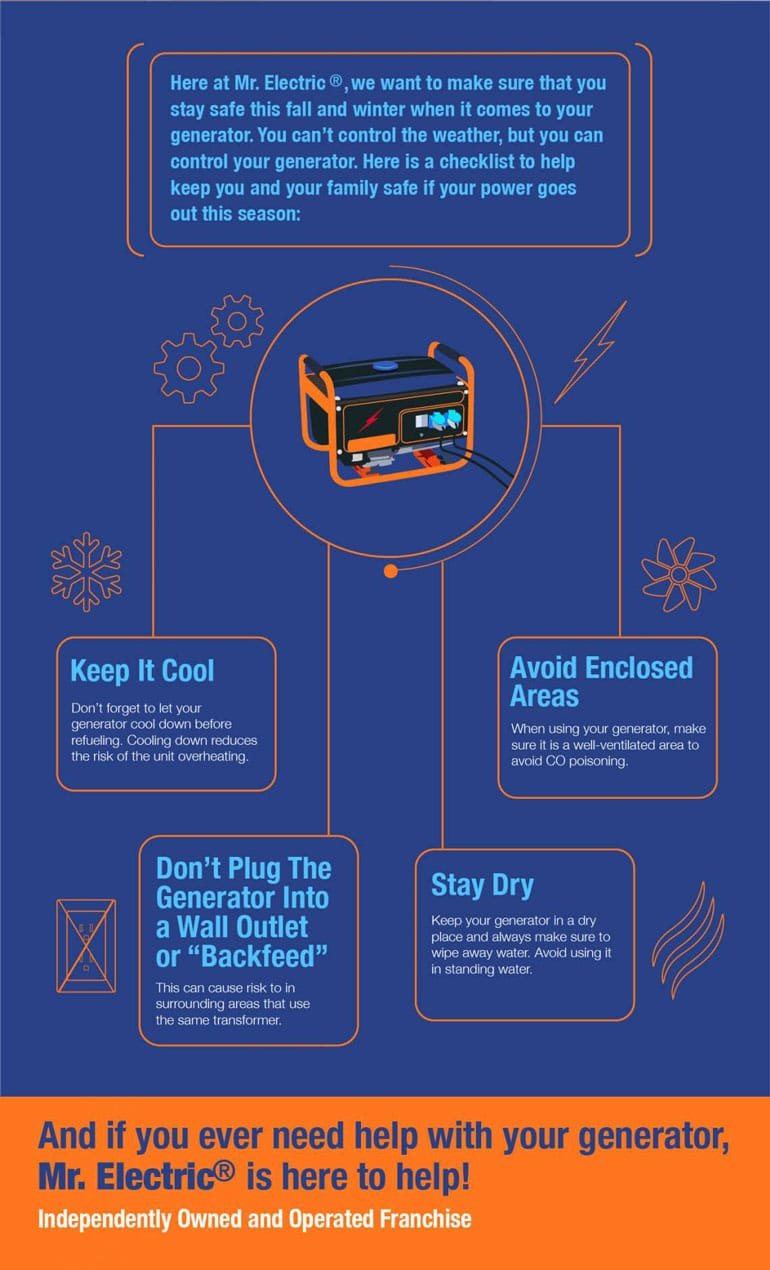
When the lights go out, a generator isn't just a convenience—it's often a critical lifeline. But wielding that power comes with immense responsibility. Understanding Generator Rental Safety & Operation Guidelines isn't merely about avoiding fines or hassle; it's about protecting lives, preventing catastrophic damage, and ensuring your power supply remains reliable when you need it most. Whether you're powering a construction site, an event, or weathering a storm at home, proper setup, operation, and maintenance are non-negotiable.
This comprehensive guide cuts through the technical jargon to give you the practical, actionable knowledge you need to safely and effectively use a rented generator. Think of it as your essential playbook, written by experts who know what can go wrong and, more importantly, how to get it right.
At a Glance: Your Quick Safety & Operation Checklist
Before diving deep, here are the absolute must-knows for generator rental safety and operation:
- Outdoor Operation Only: Generators produce deadly carbon monoxide. Always run them outside, far from windows and vents.
- Never Refuel While Running: Fuel vapors are highly flammable. Shut down, cool down, then refuel.
- Proper Grounding is Essential: Protect against electrocution by ensuring your generator is correctly grounded.
- Inspect Before Use: Check fluids, connections, and overall condition before every startup.
- Follow Manufacturer Guidelines: Your specific generator model has unique instructions; always read and adhere to them.
- Professional Installation for Permanent Connections: When tying into a building's electrical system, always use a licensed electrician.
- Monitor and Maintain: Keep an eye on operating parameters and schedule routine checks.
Powering Up Safely: Understanding Your Generator Rental
Generators aren't one-size-fits-all. Knowing the type of unit you're renting is the first step toward safe installation and operation. Each configuration brings its own considerations for placement, fuel, and exhaust.
Decoding Generator Configurations
Before you even think about plugging anything in, let's clarify the basic types of generator sets you're likely to encounter in a rental fleet:
- Skid Mounted Unit: These are the workhorses, often found in indoor or under-roof applications. A skid-mounted unit packs the engine, generator, and cooling system onto a robust metal frame. They don't come with an enclosure, meaning you'll need to provide external exhaust routing and a remote fuel supply. Think of them as the bare-bones, powerful core designed for integration into a larger system.
- Canopy Unit: Imagine a skid unit wrapped in a protective shell—that's a canopy unit. This enclosure houses the engine, generator, controls, and cooling system, offering excellent weather protection and significantly reducing heat and noise. Canopy units are popular for permanent installations and often come with built-in fuel tanks, making them more self-contained.
- Mobile Unit: The epitome of convenience for temporary power, mobile units are essentially canopy generators mounted on a trailer. They're designed for easy transport and are frequently used on construction sites, at events, or for emergency power restoration. A significant advantage is their ability to be transported with fluids already onboard, ready for deployment.
Mastering Generator Set Installation: From Arrival to Ready
Installation isn't just about positioning; it's a critical safety phase. Ignoring proper procedures here can lead to serious injury, equipment damage, or even fatalities.
⚠️ WARNING: Always use approved lifting devices that are rated for the full weight of the generator set. When connecting a generator to an automatic transfer switch (ATS) or any electrical system, strict tag-out/lock-out procedures are mandatory. Never work on energized equipment—it can cause serious injury or death.
Placing Your Generator: Stability and Space
No matter the type, your generator needs a stable, level, and well-supported foundation.
- For Skid Mounted Units: Find a solid, level surface capable of bearing the unit's considerable weight. Lifting requires an approved apparatus like a fork truck or crane. These units demand external connections for both fuel (diesel or natural gas from a remote source) and exhaust, which must be insulated and safely routed outside the building to prevent carbon monoxide buildup.
- For Canopy Units: Position the unit at an appropriate distance from structures to allow for proper airflow, heat dissipation, and exhaust dispersal. If it has a separate or auxiliary fuel tank, ensure it's close to the unit and protected during fueling operations. Again, use an approved lifting device for both the unit and its fuel tank. Electrical cables are often run through underground conduit for a clean, safe setup.
- For Mobile Units: Place the trailer on solid, level ground. Use the trailer's stabilizers to ensure it's firmly planted. When routing temporary power cables, keep them out of high-traffic areas where they could become trip hazards or be damaged by equipment.
The Electrical Connection: A Matter of Life and Code
Connecting a generator to your power system demands precision and adherence to electrical codes.
- Automatic Transfer Switch (ATS): For both skid and canopy units, the ATS is crucial. This device safely switches your electrical load between utility power and generator power. Its sizing and the conductor sizing must strictly comply with National Electrical Code (NEC) standards to prevent overloads and ensure safety.
- Mobile Unit Connections: Mobile units can connect to an ATS using an approved manufacturer’s plug for simpler setups, or by connecting individual electrical lugs to terminals for larger installations. Regardless of method, ensure all connections are secure and weatherproof.
When you're dealing with electrical connections, especially those that involve tying into a building's grid, the stakes are incredibly high. For any permanent or semi-permanent generator setup, having a licensed electrician handle the automatic transfer switch (ATS) installation and testing is non-negotiable. This ensures compliance with all local and national electrical codes, preventing dangerous backfeeding into the utility grid and protecting both your property and utility workers. Remember, knowing how to properly ground your generator is fundamental for electrical safety, protecting against shocks and system damage.
Getting Started: Generator Startup Procedures
Once installed, it's time for the moment of truth: starting up your generator. Always begin by consulting the manufacturer's recommendations for your specific model. While mobile units might arrive with fluids, permanent units are typically shipped dry, requiring you to fill them before their first run.
Pre-Startup Checks: Your Safety Ritual
Before pressing that start button, a quick yet thorough inspection is vital.
- For Mobile Units (typically arrive with fluids):
- Electrical Connections: Verify all electrical connections are secure and free from fraying or damage.
- Fluid Levels: Check fuel, oil, and coolant levels.
- Air Filter: Ensure the air filter indicator is green, signaling good air intake.
- Remove Obstructions: Clear any tags, locks, or debris from around the unit.
- Start and Listen: Start the engine. Immediately check for any fuel, oil, or exhaust leaks. Confirm louver operation (if present) for proper cooling.
- Alarms: Ensure there are no engine or generator alarms displayed on the control panel.
- Load Test: Once stable, load the generator set and confirm all operating parameters (voltage, frequency, amperage) are correct.
- For Permanent Units (typically shipped without fluids):
- Electrical Connections: Double-check all electrical connections for security.
- Fluid Fill-Up: Fill the engine with the correct type and amount of oil. Fill the coolant tank with coolant. Fill the fuel tank with the appropriate fuel (diesel or natural gas).
- Fuel Line: Confirm the fuel line connection is secure and free of leaks.
- Air Filter: Air filter indicator should be green.
- Prime Fuel System: If your unit lacks automatic priming, manually prime the fuel system to remove air.
- Remove Obstructions: Remove all tags and locks.
- Initial Run: Start the engine. Look and listen for fuel, oil, or exhaust leaks. Confirm no alarms. For canopy units, check louver operation.
- Warm-Up & Cool-Down: Run the engine to operating temperature, then shut it down. After cooling, re-check and top off oil and coolant levels.
- Load Test: Load the generator set and confirm all operating parameters are correct under load.
Keeping the Power On: Operation and Refueling Best Practices
Operating a generator requires constant vigilance, especially when it comes to fuel. Refueling mistakes are a leading cause of generator-related fires and injuries.
⚠️ WARNING: Fuel vapors are highly flammable. NEVER refuel a generator while it is in operation to prevent serious injury or death. Always wear appropriate personal protective equipment (PPE) when inspecting a running generator.
Monitoring Your Generator: The Pulse of Power
During operation, your generator's control panel is your window into its health.
- Stand-by and Running Checks: Regularly monitor the generator panel for any alarms, abnormal readings, or fluctuations in parameters like voltage, frequency, and amperage. Check the fuel level using the tank’s sight glass, never relying solely on dashboard gauges. Visually inspect the unit for any signs of fuel, coolant, oil, or exhaust leaks. Ensure all cooling louvers are fully open and unobstructed during operation to prevent overheating.
💡 Caution: To avoid unexpected power loss, always calculate your refueling times and schedule them around your power requirements. Some fuel systems, particularly after running dry, may require manual priming, which can extend downtime during refueling. An organized approach to maintenance, like using a comprehensive maintenance checklist, can help you plan refueling and inspections efficiently.
Refueling: A Step-by-Step Safety Guide
This process is critical and must be followed meticulously.
- Refueling Procedures for Canopy and Mobile Units:
- Disconnect: Disconnect the generator from the power grid or any loads it is supplying.
- Shut Down: Shut down the generator completely.
- Cool Down: Allow the engine to cool for at least 15 minutes. Fueling a hot engine is extremely dangerous due to the risk of ignition.
- Refuel: Carefully refuel the tank using approved containers and spill-prevention methods.
- Secure & Clean: Secure the fuel cap tightly and clean up any spills immediately.
- Restart & Load: Once refueled and all checks are complete, restart the generator and connect it back to its load.
Moving Mobile Generator Sets: Relocation with Care
While mobile units are designed for transport, moving them safely still requires a thoughtful approach.
- Minimize Moves: Plan your site layout to minimize the number of times you need to move the generator. Position it for optimal accessibility while maintaining safety clearances.
- Inform Users: Always inform anyone relying on the generator that power will be lost during the move.
- Pre-Move Disconnection: Disconnect the generator from the power grid or any loads before shutting it down for transport.
- Stable Placement: When relocating, always place the unit on solid, level ground at its new position.
- Cable Management: Route power cables out of high-traffic areas and protect them from damage.
- Reconnect & Restart: Connect cables securely to both the generator and the ATS (or load). Once connections are verified, start and load the generator.
General Backup Generator Safety Guidelines: Your Non-Negotiables
Beyond specific operational steps, several overarching safety guidelines apply to all backup generators. Ignoring these can lead to severe consequences, including carbon monoxide poisoning, electrical shocks, and fires.
The Silent Killer: Preventing Carbon Monoxide (CO) Poisoning
This is arguably the most critical safety concern. CO is an odorless, colorless gas produced by internal combustion engines, and it can be deadly.
- Outdoors Only, Always: Never operate a generator in an enclosed space such as a garage, basement, shed, or even a partially covered patio.
- Safe Distance: Always operate generators outdoors, at least 20 feet (about 6 meters) away from buildings, with the exhaust directed away from windows, doors, and vents that could allow fumes to enter occupied spaces.
- CO Detectors: Install battery-operated carbon monoxide detectors near sleeping areas in your home or facility and test them monthly. If the alarm sounds, or if you suspect CO poisoning (symptoms include headaches, dizziness, nausea, and confusion), evacuate immediately and seek fresh air.
Electrical Safety Measures: Shocking Truths
Electricity and water don't mix, and mishandling generator power can lead to electrocution.
- Proper Grounding: Generators must be properly grounded according to manufacturer instructions and local electrical codes. This prevents dangerous electrical surges and helps protect against shock.
- Dry Hands, Dry Ground: Always operate generators and connect/disconnect cables with dry hands and while standing on a dry surface.
- Avoid Overloading: Do not overload the generator. Understand your generator's wattage capacity and ensure the total wattage of connected appliances does not exceed it. Overloading can damage the generator and create fire hazards.
- Extension Cord Smarts: Use heavy-duty, outdoor-rated extension cords that are appropriate for the load and length required. Inspect cords for fraying or damage before each use.
- No Backfeeding: Never plug a generator directly into a wall outlet (backfeeding). This bypasses safety mechanisms, can electrify utility lines, and pose a severe risk to utility workers and neighbors. Always use a properly installed automatic transfer switch (ATS) or a manual transfer switch installed by a licensed electrician.
Fire Prevention and Fuel Handling: Playing with Fire
Fuel is highly flammable. Treating it with anything less than extreme caution is a recipe for disaster.
- Approved Storage: Store fuel in approved, clearly labeled containers specifically designed for fuel storage. Keep these containers in well-ventilated areas, away from living spaces, heat sources, and direct sunlight.
- Cool Down Before Fueling: As mentioned, never refuel a running generator. Turn it off and allow at least 15 minutes for the engine to cool down before adding fuel. This prevents fuel vapors from igniting on hot engine components.
- Stable Placement: Place generators on stable, level, non-flammable surfaces. Keep them away from combustible materials like dry grass, leaves, curtains, or anything that could catch fire from heat or sparks.
- Fire Extinguisher Ready: Keep a fire extinguisher rated for fuel and electrical fires (Class B and C) nearby and know how to use it.
- Regular Inspections: Regularly inspect fuel lines, tanks, and connections for any signs of leaks, cracks, or damage. Address issues immediately.
The Professional Edge: Installation, Maintenance, and Long-Term Reliability
While rental companies ensure their fleet is well-maintained, ongoing vigilance and smart planning on your part are crucial. For complex or long-term needs, professional expertise is invaluable.
Professional Installation: Beyond DIY
For standby generators that integrate into your facility's electrical system, professional installation isn't just a recommendation—it's a requirement.
- Certified Technicians: Standby generators should always be installed by certified technicians. They ensure the unit is placed on a stable, well-ventilated surface, has easy access for servicing, and meets all local codes.
- ATS Installation: Automatic transfer switches (ATS) are complex electrical devices. A licensed electrician must install and rigorously test them to guarantee seamless and safe switching between power sources. This also helps with selecting the right generator size to ensure your system is perfectly matched.
- Emergency Planning: Integrating a generator into your power strategy should be part of a broader emergency power plan for your business, outlining roles, responsibilities, and protocols for any outage scenario.
The Lifeline of Maintenance: Keeping Your Generator Healthy
Routine maintenance is the backbone of reliable generator operation. Even with rentals, understanding these aspects helps you perform daily checks and communicate effectively with your rental provider.
- Fuel System Management: Regularly check fuel levels and quality. For diesel generators, fuel can degrade over time; using stabilizers for long-term storage and fuel polishing to remove contaminants are smart practices.
- Oil and Filter Changes: Per manufacturer guidelines, oil, air filters, and spark plugs (for gasoline units) need regular replacement. Clean filters ensure optimal performance and fuel efficiency.
- Battery Care: The battery is your generator's starting point. Test its voltage regularly, clean any corrosion from terminals, and anticipate replacing batteries every 2-3 years, or as recommended.
- Cooling System Maintenance: Crucial for preventing overheating, ensure coolant levels are adequate. Clean radiators of debris, and inspect hoses and belts for wear or leaks.
- Load Testing: Annual full-load tests are essential. This involves running the generator at a significant percentage of its capacity to detect mechanical issues, confirm its operational capacity, and burn off any carbon buildup that can occur from light loads.
- Exhaust System & Emission Compliance: Inspect exhaust systems to prevent leaks and dangerous CO buildup. For diesel generators, ensure they meet current emission standards.
The Payoff: Benefits of Safe Operation
Adhering to these guidelines isn't just about avoiding problems; it's about maximizing your generator's effectiveness and lifespan. Proper use and maintenance directly prevent issues like fuel degradation, battery failure, and premature mechanical wear. Diligently managing power loads avoids overheating and excessive strain. And by practicing safe startup and shutdown procedures, you prevent power surges and potential damage to connected equipment, ensuring you have uninterrupted, reliable power precisely when you need it.
Your Next Steps: Powering Forward with Confidence
You've learned the critical aspects of generator rental safety and operation, from selecting the right unit to meticulous maintenance and crucial safety protocols. This knowledge empowers you to confidently manage your temporary power needs, whether for a critical project or an unexpected outage.
Remember, the goal is always to operate your generator not just effectively, but safely. Treat every step, from installation to refueling, with the seriousness it deserves. When in doubt, always consult the generator's manual or contact your rental provider for expert guidance.
Ready to secure your power solution? Find generator rentals near you that prioritize safety and offer comprehensive support. Power on, safely and smartly.