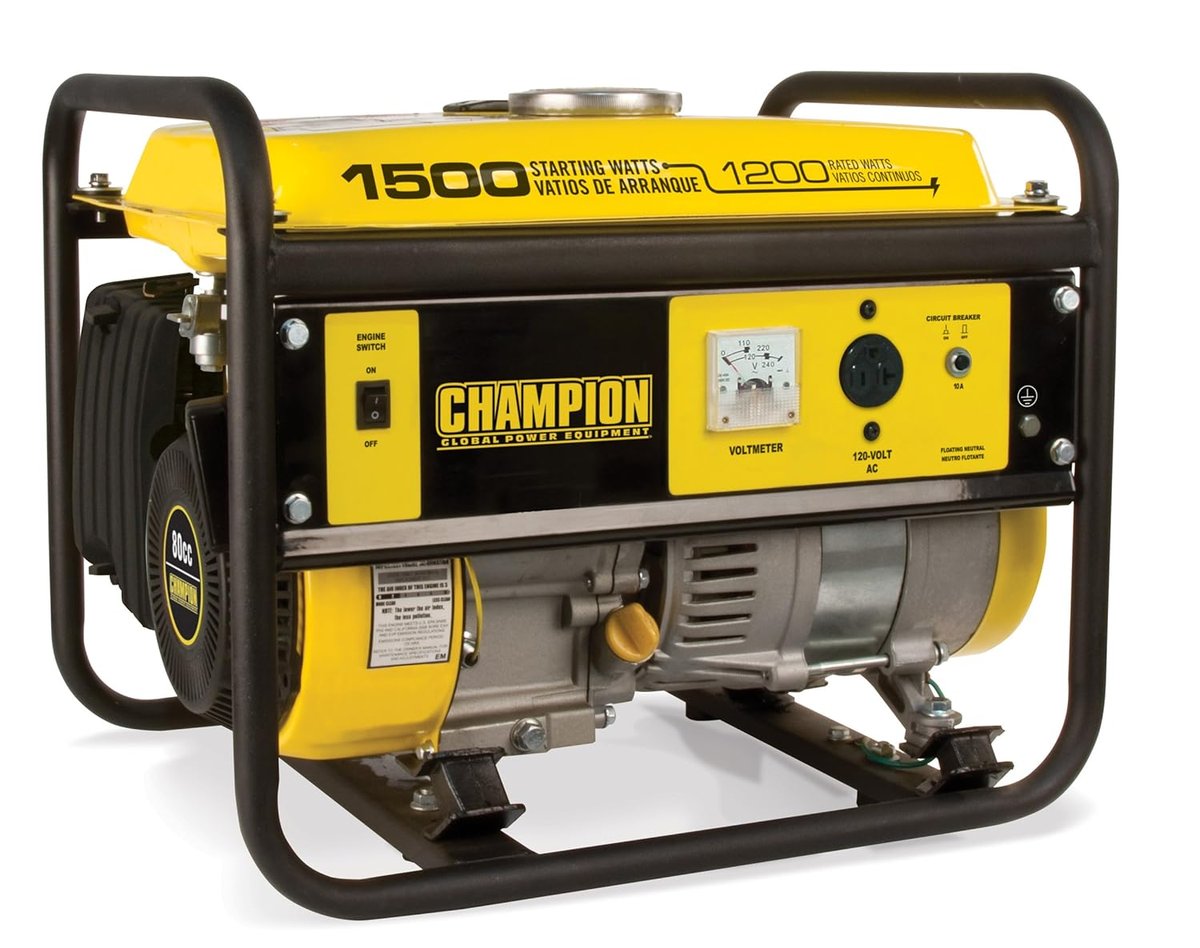
Picture this: The lights flicker, then plunge your home or business into darkness. Or perhaps your remote construction site needs power, but permanent grid access is miles away. In these moments, reliable electricity isn't a luxury – it's a necessity. That’s when the urgent question arises: How do you go about finding local generator rental providers who can deliver the power you need, when you need it?
Navigating the world of generator rentals can feel daunting, with choices ranging from small portable units to industrial-grade powerhouses. But with the right knowledge, you can confidently secure the ideal power solution, ensuring your operations continue uninterrupted and your peace of mind remains intact. This guide will walk you through the entire process, from pinpointing your exact power requirements to vetting providers and understanding the nuances of rental agreements.
At a Glance: Your Quick Guide to Generator Rentals
- Assess Your Needs: Calculate total wattage (running + highest starting) to determine the right generator size. Don't guess!
- Know Your Types: Differentiate between portable, towable, and commercial units, and their respective fuel sources (gas, diesel, propane).
- Where to Look: Start with online searches, major equipment rental companies, and local hardware stores.
- Key Provider Questions: Inquire about delivery, setup, maintenance, fuel plans, rental terms, and 24/7 support.
- Prioritize Safety: Always operate generators outdoors, ensure proper ventilation, and use appropriate transfer switches.
- Factor in Fuel: Understand consumption rates (e.g., a 10kW unit uses ~1 gal/hr at full load, a 200kW unit ~15 gal/hr) and plan for refueling.
- Mind the Runtime: While generators can run for extended periods with refueling, regular maintenance breaks are crucial to prevent damage.
Why Renting a Generator Makes Sense (And When You Really Need One)
Owning a generator is a significant investment, both upfront and in ongoing maintenance. For many, renting offers a far more practical and cost-effective solution. But what scenarios truly call for a temporary power boost?
Emergency Power: Be Ready for the Unexpected
When a storm knocks out the grid or an unforeseen utility issue leaves you without power, a rental generator can be a lifesaver. This isn't just about comfort; it's about protecting critical systems like refrigerators, medical equipment, communication devices, and essential business operations. For homeowners, it means keeping the lights on and the food cold. For businesses, it means avoiding costly downtime and maintaining productivity. Having a plan in place to quickly find and deploy a rental generator can make all the difference in a crisis.
Planned Events & Remote Operations: Power Where You Need It
Generators aren't just for emergencies. They're indispensable for planned situations where grid power is unavailable or insufficient:
- Construction Sites: Powering tools, lighting, and temporary offices in remote locations.
- Outdoor Events: Festivals, concerts, weddings, and sporting events often rely entirely on rented generators for sound, lighting, and catering.
- Film Productions: On-location shoots frequently require robust, quiet power sources.
- Temporary Business Expansion: Setting up a pop-up shop or adding a temporary workspace that needs independent power.
- Renovations & Maintenance: When existing power needs to be shut down for repairs or upgrades, a rental provides continuity.
In these contexts, renting provides the flexibility to access various generator sizes and types without the long-term commitment or storage challenges of ownership.
First Steps: Defining Your Power Needs
Before you even begin looking for local generator rental providers, you absolutely must understand what kind of power you need. This isn't just a matter of "more is better" – oversizing means wasted fuel and higher rental costs, while undersizing can lead to frequent overloads and damaged equipment.
The "Wattage Math": Calculating Your Requirements
This is arguably the most critical step. You'll need to identify every appliance, tool, or system you intend to power and their respective wattage requirements.
- List Your Essentials: Walk through your home, office, or job site and list everything you want to run on the generator. Think critically: what must have power, and what can wait?
- Find Running Watts: For each item, locate its running wattage (the power it consumes continuously). This is usually on a label, in the owner's manual, or easily found online.
- Identify Starting Watts (Surge Watts): Many motorized appliances (refrigerators, air conditioners, power tools, pumps) require a brief, higher burst of power to start up. This is the starting wattage or surge wattage. You'll typically only need to account for the single highest starting wattage among your essential items, as they likely won't all start simultaneously.
- Calculate Total Running Watts: Add up the running watts of all the items you plan to power simultaneously.
- Add the Highest Starting Watts: Take the total running watts and add the single highest starting wattage from your list. This final number is your target generator wattage.
Example:
- Refrigerator: 800 running watts / 2200 starting watts
- Lights (total): 500 running watts
- Computer: 300 running watts
- Microwave: 1000 running watts / 1800 starting watts
- Small AC Unit: 1500 running watts / 4500 starting watts
- Total Running Watts: 800 + 500 + 300 + 1000 + 1500 = 4100 watts
- Highest Starting Watts: Small AC unit at 4500 watts
- Required Generator Size: 4100 (running) + 4500 (starting) = 8600 watts. You'd likely look for a 9,000-watt or 10,000-watt generator to give yourself a small buffer.
Expert Tip: Rental companies like United Rentals often have "climate experts" who can help you accurately calculate your wattage needs, ensuring you get the perfect fit without overspending. Don't hesitate to leverage their expertise!
Generator Types and Fuel Sources: What's Right for You?
Generators come in various configurations, each suited for different applications:
- Portable Gas Generators: Smaller (2,000-10,000 watts), typically gasoline-powered. Best for home backup, camping, or small job sites. Relatively lightweight and easy to move.
- Towable Diesel Generators: Medium to large (10,000 watts to 300 kW and beyond), mounted on trailers for easy transport. Diesel is more fuel-efficient for larger loads and longer runtimes. Ideal for construction sites, events, or commercial backup.
- Commercial/Industrial Generators: Very large, often integrated into a facility's power system or designed for heavy-duty, continuous operation. These are typically diesel-powered.
- Inverter Generators: A type of portable generator known for producing "clean" power, making them safe for sensitive electronics. They are also generally quieter and more fuel-efficient at lower loads.
- Fuel Types:
- Gasoline: Common for smaller portables, readily available, but has shorter shelf life and lower energy density than diesel.
- Diesel: Preferred for larger, heavy-duty units due to better fuel efficiency, longer run times, and increased safety (less volatile than gasoline).
- Propane (LPG): Clean-burning, longer shelf life than gasoline, but less common for large rentals.
- Natural Gas: Requires a direct line, so typically only for permanent installations, not rentals.
- Hydrogen: An emerging, emissions-free solution for portable power, as highlighted by some forward-thinking rental providers. While not widespread for rentals yet, it's a technology to watch.
Navigating the Local Rental Landscape: Where to Look
Once you have a clear picture of your power needs, it's time to start finding local generator rental providers. The good news is that reliable options are often closer than you think.
Online Searches and Directories
Your first stop should always be a targeted online search. Use phrases like "generator rental near me," "portable generator rental [your city/zip code]," or "commercial generator rental [your city]."
Websites like Yelp can provide localized search results and user reviews, offering insights into customer experiences with various providers in your area. Beyond general search engines, specialized equipment rental directories can also be valuable.
Major Equipment Rental Companies
These are often your best bet for a wide selection, professional service, and comprehensive support. Companies like United Rentals carry an extensive selection of generators, from small portable gas units to heavy-duty diesel generators up to 300-kilowatt, featuring brands like Honda, Generac, Multiquip, and DeWalt. They typically offer:
- Diverse Inventory: A vast range of sizes, fuel types, and features (low emissions, reduced noise, trailer-mounted options).
- Expert Assistance: Staff who can help you determine the right size and type of generator.
- Delivery & Pickup: Convenient logistics for getting the generator to and from your location.
- Maintenance & Support: Professionally maintained equipment and often 24/7 technical support.
Before committing, it's wise to Explore local generator rentals from a few different major providers to compare availability and pricing.
Local Hardware Stores & Smaller Rental Shops
For smaller, portable generator needs (typically under 10,000 watts), your local hardware store (e.g., Home Depot, Lowe's) or independent equipment rental shops might have suitable options. These can be convenient for quick, short-term rentals and might offer competitive rates for basic units. However, their inventory will be more limited, and they might not provide the same level of logistical support or technical expertise as larger, specialized companies.
Referrals and Community Resources
Don't underestimate the power of local knowledge. Ask neighbors, fellow business owners, or colleagues who have previously rented generators for their recommendations. Local community groups or online forums can also be good sources for trusted providers and honest reviews. Sometimes, the best advice comes from someone who has been in your exact situation.
What to Ask & Look For in a Rental Provider
Once you've identified potential local generator rental providers, it's time to vet them thoroughly. A good provider offers more than just equipment; they offer a complete solution.
Availability and Inventory
- Do they have the specific wattage and type of generator I need? Don't settle for something "close enough" if it means compromising your power requirements.
- What brands do they carry? Reputable brands (Honda, Generac, Multiquip, DeWalt) are indicators of quality and reliability.
- How quickly can they deliver? This is critical, especially in an emergency.
Delivery, Setup, and Pickup Services
- Do they offer delivery and pickup? For larger units, this is essential.
- What are the associated costs for these services?
- Will they assist with basic setup and safety instructions? You need to understand how to operate the unit safely and effectively.
- Do they offer refuelling services or advice on fuel sourcing?
Maintenance, Support, and Safety
- How often are their generators maintained? Well-maintained equipment is less likely to fail. United Rentals notes that generators, like any engine, require regular maintenance and lubrication to function at their best, and neglecting these tasks can cause permanent damage.
- Is 24/7 technical support available? If your generator encounters an issue in the middle of the night, you need immediate help.
- What safety features are included? (e.g., GFCI outlets, automatic shutdown for low oil).
- Do they provide safety training or manuals? Understanding proper operation and safety protocols is paramount.
- Do they offer necessary accessories like extension cords, distribution boxes, or transfer switches?
Fueling Options and Consumption Rates
- What fuel type does the generator use? (Gasoline, diesel, propane).
- What is the estimated fuel consumption? This varies dramatically. A 10-kilowatt generator might consume a little under a gallon an hour at full load, while a heavy-duty 200-kilowatt generator could consume up to 15 gallons per hour. Ask for specifics based on the model you're renting and consult the product manual for detailed specifications.
- How will you manage refueling? Do you need to supply your own fuel, or do they offer refueling services? This is a significant operational consideration, especially for long-term rentals.
Rental Terms, Insurance, and Hidden Fees
- What are the rental rates? (Daily, weekly, monthly).
- Are there any hidden fees? (Environmental fees, cleaning fees, late return penalties).
- What is their cancellation policy?
- Do they offer rental insurance, and is it required? This can protect you from liability for damage or theft.
- What is the billing cycle and payment structure?
Reputation and Reviews
- Check online reviews: Look at Google Reviews, Yelp, and industry-specific forums.
- Ask for references: For larger or longer-term projects, a reputable provider should be able to provide references.
- How long have they been in business? Longevity often indicates reliability and experience.
Choosing the Right Generator for Your Specific Situation
Matching the generator to your needs goes beyond just wattage. Several factors influence the best choice for your particular application.
Matching Size: Underpowering vs. Overpowering
We've covered wattage calculation, but it bears repeating:
- Undersizing: Leads to frequent circuit breaker trips, potential damage to the generator or connected appliances, and unreliable power. This is a common pitfall.
- Oversizing: While it provides a buffer, it means higher rental costs and increased fuel consumption. Generators are generally most fuel-efficient when running at about 50-75% of their rated capacity.
Aim for a generator that can comfortably handle your peak load (running watts + highest starting watts) with a slight buffer (e.g., 10-20% extra capacity).
Noise Levels and Emissions
- Residential Use/Events: For homes, outdoor events, or areas with noise ordinances, an inverter generator or a unit specifically advertised as "quiet" or "low noise" is crucial. Diesel generators, while efficient, can be significantly louder.
- Commercial/Industrial Use: On a busy construction site, noise might be less of a concern, but emissions standards might apply. Modern generators often feature low emissions technology, which is a good point to inquire about.
Mobility: Portable vs. Towable vs. Stationary
- Portable: Hand-carry or wheeled units (e.g., 2,000-10,000 watts). Easy to move around a small site or home.
- Towable: Trailer-mounted units (e.g., 10kW to 300kW). Require a vehicle with towing capacity but offer excellent mobility between locations.
- Skid-Mounted/Stationary: For very large, long-term needs where the generator isn't expected to move much after initial placement. These often require specialized lifting equipment.
Runtime and Refueling Logistics
Consider how long you need continuous power. The average generator can run around 8-12 hours on a full tank of gas, but larger diesel units can go much longer. As long as a generator is refilled with the necessary fuel, it can run for days at a time. However, running a generator for days, weeks, or even months without stopping is generally not recommended by manufacturers like United Rentals. Just like any engine, a generator requires regular maintenance and routine lubrication to function at its best, and disregarding these tasks can cause permanent damage.
For extended operations, you'll need a clear refueling plan:
- Who is responsible for refueling? You or the rental company?
- How will fuel be transported and stored safely?
- When will the generator be shut down for maintenance/refueling breaks?
Voltage Requirements
Most common appliances run on 120V (standard household outlets). Larger appliances, power tools, or industrial equipment might require 240V or even 3-phase power. Ensure the rental generator provides the specific voltage and amperage outputs you need and that you have the appropriate cords and adapters.
Smart Rental Practices: Before, During, and After
A successful generator rental experience extends beyond just picking up the unit. Thoughtful planning and responsible usage are key.
Pre-Rental Checklist
- Site Assessment: Where will the generator be placed? It must be outdoors in a well-ventilated area, away from windows, doors, and vents to prevent carbon monoxide poisoning. Ensure it's on a level, stable surface, protected from direct elements (rain, snow) if possible, but still with ample airflow.
- Permits and Regulations: For larger units or specific locations, check if any local permits or noise ordinances apply.
- Fuel Storage: Plan for safe and legal fuel storage if you're responsible for refueling.
- Transfer Switch: For home backup, a manual or automatic transfer switch is crucial. It safely disconnects your home from the utility grid before connecting to the generator, preventing dangerous "backfeeding" into the power lines and protecting your appliances. Never backfeed directly into your home's main panel without a proper transfer switch.
- Distribution: How will you connect your appliances? Do you have enough heavy-gauge outdoor extension cords?
During Use: Safety, Refueling, and Monitoring
- Safety First:
- NEVER run a generator indoors. Carbon monoxide is an odorless, colorless, deadly gas.
- Keep the generator dry and protected from rain or snow.
- Ensure proper grounding.
- Keep children and pets away from the operating unit.
- Have a fire extinguisher nearby.
- Refueling: Always turn off the generator and let it cool before adding fuel. Spilled fuel on a hot engine can ignite.
- Monitoring: Regularly check fuel levels, oil pressure (if applicable), and listen for unusual noises. Don't overload the generator.
- Breaks: If running for extended periods, schedule downtime for cooling, maintenance checks, and refueling, as recommended by the rental provider and generator manual. This helps prevent permanent damage from continuous operation.
Post-Rental: Cleaning and Inspection
- Cleanliness: Return the generator in the condition you received it, within reason. Remove any debris or excessive dirt.
- Inspection: Before it's picked up or returned, do a quick visual inspection for any new damage. Document existing damage when you pick it up (photos are your friend!).
- Damage Clauses: Understand the rental agreement's clauses regarding damage and wear and tear.
Common Questions About Generator Rentals
Getting answers to these frequently asked questions can streamline your rental process and prevent surprises.
How long can a rental generator run on a full tank?
This varies significantly based on the generator's fuel capacity and the load it's powering. The average unit can run around 8-12 hours on a full tank of gas. Larger diesel generators can run much longer, often 12-24 hours or more. Always consult the specific generator's manual or ask the rental provider for its estimated run time under your expected load.
How much fuel does a generator consume per hour?
Fuel consumption is directly related to the generator's size and the load it's under. As United Rentals points out, a 10-kilowatt generator will consume a little under a gallon an hour at full load, while a heavy-duty 200-kilowatt generator could consume up to 15 gallons per hour. Running a generator at partial load will be more fuel-efficient per hour, but it’s crucial to match the generator size to your actual needs to avoid over-consumption.
Do I need a transfer switch for home backup?
Yes, absolutely. If you are connecting a generator to your home's electrical system, a manual or automatic transfer switch is non-negotiable for safety. It isolates your home's wiring from the utility grid, preventing "backfeeding," which is extremely dangerous for utility workers and can damage your home's electrical system. For simple, temporary power to specific appliances, you can use heavy-duty extension cords directly from the generator outlets, but never plug the generator into a wall outlet.
Can I run a generator indoors or in a garage?
Never. Generators produce carbon monoxide, a colorless, odorless, and deadly gas. Operating a generator indoors, in a garage, basement, or any enclosed space, even with doors or windows open, can lead to fatal carbon monoxide poisoning. Always operate generators outdoors, away from windows, doors, and vents.
What about surge protection for sensitive electronics?
While most modern generators provide stable power, if you're powering very sensitive electronics (computers, high-end audio equipment), an inverter generator is usually the best choice as it produces "cleaner" sine wave power. For standard generators, using a high-quality surge protector for sensitive devices is a good precautionary measure, especially if the generator isn't specifically designed for sensitive electronics.
Beyond the Basics: Advanced Considerations
For larger projects or specific needs, you might encounter more specialized equipment or setups.
Automatic Transfer Switches (ATS)
For seamless home or business backup power, an Automatic Transfer Switch (ATS) is invaluable. When grid power fails, an ATS detects the outage, automatically starts the generator, and transfers the electrical load. When utility power returns, it shuts down the generator and switches the load back to the grid. This ensures continuous power without manual intervention, ideal for critical systems or long-term outages.
Load Banking for Testing
For large industrial generators, especially after maintenance or for critical applications, load banking is often performed. A load bank simulates an electrical load, allowing the generator to be tested at its full capacity without connecting it to real equipment. This ensures the generator is performing optimally and reliably before deployment.
Specialty Generators
- Quiet Generators: Designed with enhanced sound dampening for noise-sensitive environments (e.g., film sets, residential areas).
- High-Altitude Generators: Calibrated to perform efficiently in thinner air at higher elevations.
- Inverter Generators: Already mentioned, but their ability to produce clean, stable power makes them ideal for sensitive electronics.
Your Power-Packed Next Steps
Finding the right local generator rental provider doesn't have to be a source of stress. By approaching the task methodically, starting with a clear understanding of your power needs, and asking the right questions, you can secure a reliable power solution with confidence.
Take the time to accurately calculate your wattage, research reputable providers, and understand the full scope of their services—from delivery and setup to maintenance and support. Don't be afraid to leverage their expertise; after all, they're the power professionals. Whether you're preparing for an unforeseen outage or planning a major event, a well-chosen generator rental ensures your critical operations stay powered, your plans stay on track, and your peace of mind remains undisturbed.