In a world where uninterrupted power isn't just a convenience but a bedrock of operations, the sudden silence of a power outage can spell disaster. Whether it's a crippling storm, a cyberattack on the grid, or an unexpected equipment failure, critical uptime hinges on quick, reliable solutions. That's precisely where Emergency & Backup Power Generator Rentals step in, transforming potential catastrophe into a manageable challenge. They don't just supply power; they ensure continuity, safeguard assets, and protect your bottom line.
Think of it: the lights flicker, then vanish. Suddenly, your data center is vulnerable, your hospital's life support systems are on borrowed time, or your construction site grinds to a halt. For mission-critical facilities and businesses across the spectrum, a rapid response with a robust, temporary power source is non-negotiable. This guide will walk you through everything you need to know about navigating the world of emergency generator rentals, ensuring you're prepared when the power goes out.
At a Glance: Your Quick Guide to Emergency Generator Rentals
- Critical Uptime: Essential for businesses, healthcare, data centers, and any operation where power loss can't be tolerated.
- Why Rent? Cost-effective, flexible, no maintenance burden, rapid deployment, professional support.
- Sizing is Key: Calculate total running wattage plus the highest single starting wattage to avoid underpowering or overspending.
- Fuel Options: Diesel (common for large, long-run), Gas (smaller, portable), Propane (cleaner, specific use cases).
- Speed & Support: Reputable providers offer 24/7/365 emergency service, rapid delivery, and expert setup.
- Not Continuous: Most rental generators aren't designed for weeks of continuous, unattended operation; plan for refueling and maintenance.
- Safety First: Proper ventilation, grounding, and professional setup are paramount to prevent hazards.
The Unseen Threat: Why Emergency Power is Non-Negotiable
Power outages are no longer rare occurrences. They're a growing concern driven by aging infrastructure, severe weather events exacerbated by climate change, and even cyber threats targeting utility systems. For businesses and essential services, the cost of downtime can be astronomical, ranging from lost revenue and data corruption to compromised safety and damaged reputation.
Imagine a hospital unable to power its operating rooms or an elder care facility without heat in winter. Consider a data center experiencing a total system failure due to a lost power supply, or a retail chain unable to process transactions. Even planned shutdowns for system upgrades or maintenance require a dependable temporary power source to avoid operational interruptions. Companies like Prime Power specialize in these exact scenarios, offering 24/7/365 support for emergency power supply system (EPSS) needs, specifically targeting mission-critical facilities where failure simply isn't an option. They understand that a power generator rental isn't just about electricity; it's about business continuity, public safety, and peace of mind.
Renting vs. Buying: The Smart Choice for Temporary Power
When facing the need for backup power, the fundamental question often arises: should you buy a generator or rent one? For most emergency and backup power scenarios, renting often emerges as the more strategic and economical choice.
Purchasing a generator, especially a commercial-grade unit, represents a significant capital expenditure. Beyond the initial cost, you're responsible for ongoing maintenance, fuel storage, insurance, and the eventual depreciation and disposal. You also need space for storage and the expertise to maintain it. For intermittent or emergency use, this can be an inefficient allocation of resources.
Renting, however, eliminates these burdens. You only pay for the power when you need it, avoiding long-term commitments and capital outlay. Reputable rental companies like Prime Power or United Rentals handle the logistics, from selecting the right unit to rapid delivery, professional setup, and ongoing maintenance. This means access to a fleet of diverse generators, often newer and better maintained than what you might afford to keep on standby. It's about flexibility, immediate access to expert support, and ensuring you always have the right tool for the job without owning the entire toolbox.
Decoding Your Needs: Choosing the Right Emergency Generator Rental
The success of your emergency power plan hinges on selecting the correct generator. This isn't a one-size-fits-all decision; it requires a careful assessment of your power demands, operational environment, and duration of need.
Power Output Matters: Sizing Your Generator
Undersizing a generator can lead to frequent overloads, equipment damage, and insufficient power for critical operations. Oversizing, while safe, can result in unnecessary fuel consumption and higher rental costs. The key is to accurately calculate your power requirements.
Start by listing every appliance, tool, or system you intend to power. For each item, note its running wattage (the power it consumes during continuous operation) and its starting wattage (the surge of power it needs to start, often significantly higher than running wattage). United Rentals advises summing the total running wattage of all desired appliances and then adding the single highest starting wattage from any one item. This gives you a robust estimate for the minimum generator capacity you'll need.
For example, a small office might only need a 10-kilowatt (kW) generator to keep essential computers, lights, and a small HVAC unit running. A large construction site or a manufacturing plant, however, could require a 200-kilowatt unit or even more, depending on the heavy machinery involved. When in doubt, always consult with the rental provider; their experts can help you fine-tune your calculation and recommend the optimal unit. For a deeper dive into making precise calculations, you can always refer to a detailed guide on generator sizing.
Fuel Type: Diesel, Gas, or Propane?
Rental generators primarily operate on diesel or gasoline, with propane options available for specific needs. Each fuel type comes with its own set of advantages and considerations:
- Diesel Generators: These are the workhorses for commercial and industrial applications. They're known for their efficiency, durability, and ability to run for extended periods under heavy loads. Diesel is generally safer to store than gasoline, and modern diesel generators often feature lower emissions and reduced noise levels, as highlighted by providers like United Rentals.
- Gasoline Generators: Typically smaller and more portable, gas generators are common for residential use, small businesses, or construction sites needing lower power output (e.g., 2,000-watt to 15,000-watt units). They are readily available and generally less expensive to rent for short durations, but their fuel consumption can be higher than diesel for equivalent power, and gasoline has a shorter shelf life.
- Propane Generators: Offer a cleaner burn, longer storage life for fuel, and produce fewer emissions. They are often quieter but may have slightly lower power output compared to similarly sized gas or diesel units. Propane tanks can be cumbersome for very long-duration needs but are excellent for specific, environmentally sensitive applications.
The choice of fuel will impact logistics, run time, and environmental considerations.
Portability & Size: Matching the Unit to the Site
Generator rentals come in various physical forms to suit different deployment needs:
- Portable Units: Smaller, often gasoline-powered generators (e.g., 2kW-15kW) that can be moved by hand or with a dolly. Ideal for remote worksites, home backup, or small events.
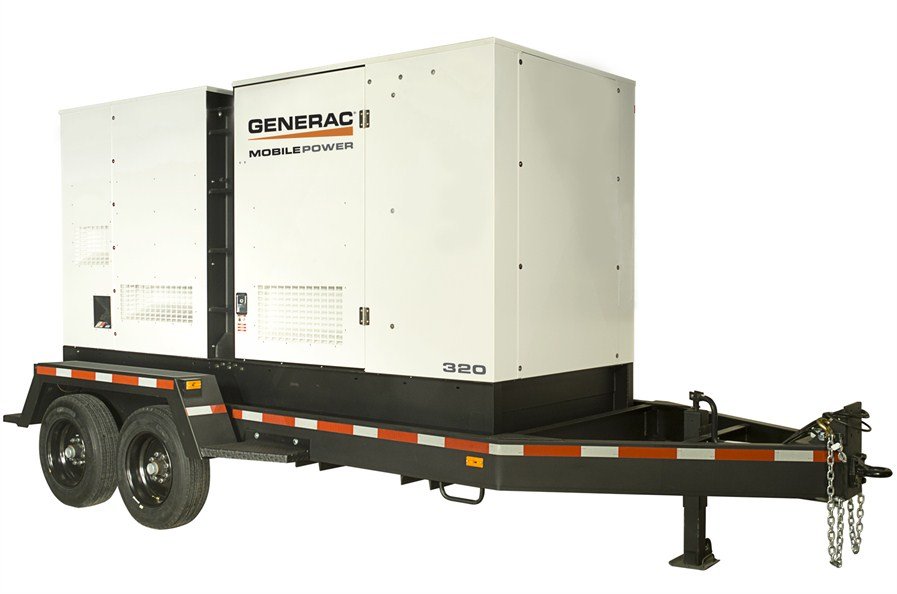
- Towable Units: Mounted on trailers, these diesel or larger gas generators (e.g., 20kW-300kW) are designed for easy transport to diverse locations. They are often fully enclosed for noise reduction and weather protection, making them popular for construction, events, and larger commercial backups.
- Commercial/Containerized Units: Large, high-capacity generators often housed in sound-attenuated containers. These are for substantial power needs, such as entire facilities, large-scale events, or long-term backup solutions. Delivery and setup require specialized equipment and expertise.
Providers like United Rentals offer a wide selection, from those small portable units to commercial-sized powerhouses. To explore different types and find what suits your specific scenario, you can explore different types of generators available for rent.
Special Features: Beyond Basic Power
Modern generators offer more than just raw power. Look for features that enhance usability, safety, and operational efficiency:
- Low Emissions: Crucial for indoor use (with proper ventilation) or in environmentally sensitive areas.
- Reduced Noise Levels: Essential for residential areas, events, or any location where noise pollution is a concern. Many commercial-grade units are housed in sound-attenuated enclosures.
- Automatic Transfer Switches (ATS): For seamless transition from grid power to generator power, often critical for mission-critical facilities.
- Remote Monitoring: Allows you to track fuel levels, performance, and fault codes from a distance, minimizing manual checks.
- Multiple Outlet Options: Ensures compatibility with various equipment and wiring setups.
The Rental Process: From Crisis to Power On
Securing an emergency generator rental is a streamlined process with experienced providers, designed to minimize your downtime and stress.
Step 1: Assessing Your Needs
It all starts with a call. When you contact a rental company like Prime Power, their experts will guide you through a needs assessment. Be prepared to discuss:
- What you need to power: Specific equipment, lights, HVAC, etc.
- Total wattage requirements: Based on your calculations.
- Duration of need: Hours, days, or potentially weeks.
- Location: Accessibility for delivery and setup.
- Specific site conditions: Noise restrictions, environmental concerns, existing electrical infrastructure.
This initial consultation is crucial for selecting the right size and type of generator.
Step 2: Rapid Deployment & Setup
In emergency situations, time is of the essence. Top rental providers offer 24/7/365 support for emergencies, ensuring rapid response times. Once the generator type is determined, the logistics team swings into action:
- Rapid Delivery: Generators are dispatched swiftly to your location.
- Professional Setup: Experienced technicians handle the placement, connection to your electrical system (often requiring a qualified electrician for safe and compliant integration), and initial startup. This includes proper grounding and ensuring safe operation.
This end-to-end service, from selection to setup, is a significant advantage of renting, particularly for those who lack in-house expertise or equipment.
Step 3: Fueling & Operation
Once set up, the generator is ready to work. It’s important to understand its operational parameters. An average generator can run 8-12 hours on a full tank, potentially longer with refills. However, United Rentals cautions that continuous running for days or weeks is generally not recommended without proper breaks for maintenance and lubrication. Generators need regular checks and servicing to prevent damage and ensure optimal performance.
Step 4: Ongoing Support & Maintenance
During your rental period, you’re typically not alone. Reputable companies provide ongoing support. This might include:
- Refueling Services: Many providers offer fuel delivery to keep your generator running.
- Troubleshooting: 24/7 support lines for operational questions or issues.
- Emergency Maintenance: Technicians dispatched for repairs if needed.
Prime Power, for instance, highlights its 24/7/365 maintenance for emergency power supply systems. This level of support ensures your temporary power solution remains reliable throughout your crisis. Proactive care is vital; for valuable insights on keeping your unit running smoothly, check out these essential generator maintenance tips.
Beyond the Basics: Expert Insights for Seamless Operation
While the rental provider handles much of the heavy lifting, understanding a few key operational aspects can significantly enhance your experience and safety.
Fuel Management: More Than Just Filling Up
Fuel is the lifeblood of your generator. Effective fuel management involves not just having enough but understanding consumption rates and storage.
- Consumption Varies Wildly: A smaller 10-kilowatt generator might use less than one gallon per hour at full load, while a robust 200-kilowatt unit can consume up to 15 gallons per hour. Always consult the product manual or the rental provider for specific fuel consumption rates based on the unit and load.
- On-site Storage: For longer outages, you'll need a plan for on-site fuel storage that complies with local regulations. This often involves secure, correctly rated fuel tanks.
- Refueling Logistics: Coordinate with your rental provider for fuel delivery services, or ensure you have a safe and efficient plan for manual refueling if that's your chosen method. Never refuel a hot or running generator.
Safety First: Operating Generators Securely
Safety is paramount. Improper generator operation can lead to carbon monoxide poisoning, electrocution, fire hazards, and equipment damage.
- Ventilation: Generators must always be operated in well-ventilated outdoor areas, far from windows, doors, and vents to prevent carbon monoxide buildup indoors. Carbon monoxide is an odorless, colorless, deadly gas.
- Proper Connections: Never "backfeed" power into your home's electrical system by plugging the generator into a wall outlet. This can energize utility lines, posing a severe risk to utility workers. Always use an approved transfer switch installed by a qualified electrician.
- Grounding: Ensure the generator is properly grounded as per manufacturer instructions and local electrical codes.
- Keep Dry: Protect the generator from rain and wet conditions.
- Clear the Area: Maintain a safe distance around the generator, keeping children, pets, and flammable materials away.
Training Your Team
For facilities managers, engineers, and their teams, understanding the rented generator's basic operation, safety protocols, and shutdown procedures is critical. Prime Power, for example, emphasizes its specialization in supporting and training these teams. A well-informed team can react quickly, safely, and efficiently in an emergency, maximizing the effectiveness of the generator rental.
Navigating the Costs of Emergency Generator Rentals
Understanding the factors that influence rental costs can help you budget effectively and avoid surprises. The price of an emergency generator rental isn't just a flat fee; it's a composite of several elements:
- Generator Size (kW Output): Larger, more powerful generators naturally cost more to rent.
- Rental Duration: Daily, weekly, or monthly rates are common, with longer durations often receiving discounted daily rates.
- Delivery and Pickup: Transportation costs can vary based on distance, the size of the unit (requiring specialized vehicles), and the urgency of delivery.
- Setup and Teardown: Professional installation and removal by technicians are typically included or offered as an add-on.
- Fuel Costs: You'll be responsible for the fuel consumed. Some rental agreements might include initial fuel, but ongoing refueling is usually an additional charge.
- Accessories: Items like extra fuel tanks, transfer switches, power distribution units, and heavy-duty cables can add to the total cost.
- Emergency vs. Planned Rental: Emergency rates might be higher due to the immediate deployment and 24/7 support required.
- Insurance/Damage Waiver: Often an optional but recommended add-on to protect against unforeseen damage to the unit.
While online portals like United Rentals' website or app might offer exclusive rates for general rentals, always engage directly with providers for emergency needs to ensure you get the right support and a comprehensive quote for your specific situation. For a more detailed breakdown of what to expect, consider reading a deeper dive into power generator rental costs.
Common Questions About Emergency Generator Rentals
Facing a power emergency can bring a host of questions. Here are some of the most frequent inquiries, answered succinctly for clarity.
How long can a rental generator run continuously?
While many generators can run for 8-12 hours on a full tank, and potentially longer with refills, continuous operation for days or weeks without maintenance is generally not recommended. Generators require periodic checks, oil changes, and other servicing to prevent damage and ensure longevity. Plan for downtime for these essential maintenance tasks, or discuss a rotation schedule with your rental provider if extremely long-term continuous power is needed.
Do I need an electrician for setup?
For connecting a generator to your building's electrical system, especially with an automatic transfer switch, yes, a qualified and licensed electrician is absolutely necessary. They ensure the installation meets all safety codes and prevents dangerous backfeeding into the grid. For simpler, direct-connect applications (e.g., using extension cords to power individual appliances), you might not need an electrician, but safety precautions (like proper grounding) remain critical.
What about fuel supply during an extended outage?
Most rental companies can arrange for fuel delivery services, especially for larger commercial units. It's crucial to discuss your fuel strategy with your provider upfront. For very long outages, you might need to establish a dedicated fuel delivery contract or ensure you have safe, compliant on-site fuel storage.
What if I need help at 3 AM?
Reputable emergency generator rental companies, like Prime Power, offer 24/7/365 support. This means you can call for assistance with operational issues, refueling, or emergency repairs at any time, day or night. This round-the-clock availability is a cornerstone of emergency power services.
Your Power Play: Taking the Next Step in Emergency Preparedness
In the face of unexpected power disruptions, being prepared isn't just good business practice—it's essential for resilience, safety, and continuity. Emergency and backup power generator rentals offer a flexible, reliable, and cost-effective solution to bridge the gap when grid power fails. By understanding your needs, choosing the right equipment, and partnering with a trustworthy rental provider, you can transform potential crises into manageable interruptions.
Don't wait for the lights to go out. Proactive planning is your best defense against the unpredictable nature of power outages. If you're ready to secure your operations against the next big blackout or ensure seamless continuity during planned maintenance, the next step is clear. To explore options and connect with providers, you can Find generator rentals nearby. A robust emergency power plan, backed by the right rental solution, empowers you to face any challenge with confidence. For a more structured approach to readiness, don't forget to download our comprehensive emergency planning checklist to ensure all your bases are covered.